2 hours32% off
City Palace Guided Walking Tour, Udaipur
Open - Last Admission: Open · 09:00 AM to 09:00 PM
Location: Udaipur
Starting from
₹100 / Adult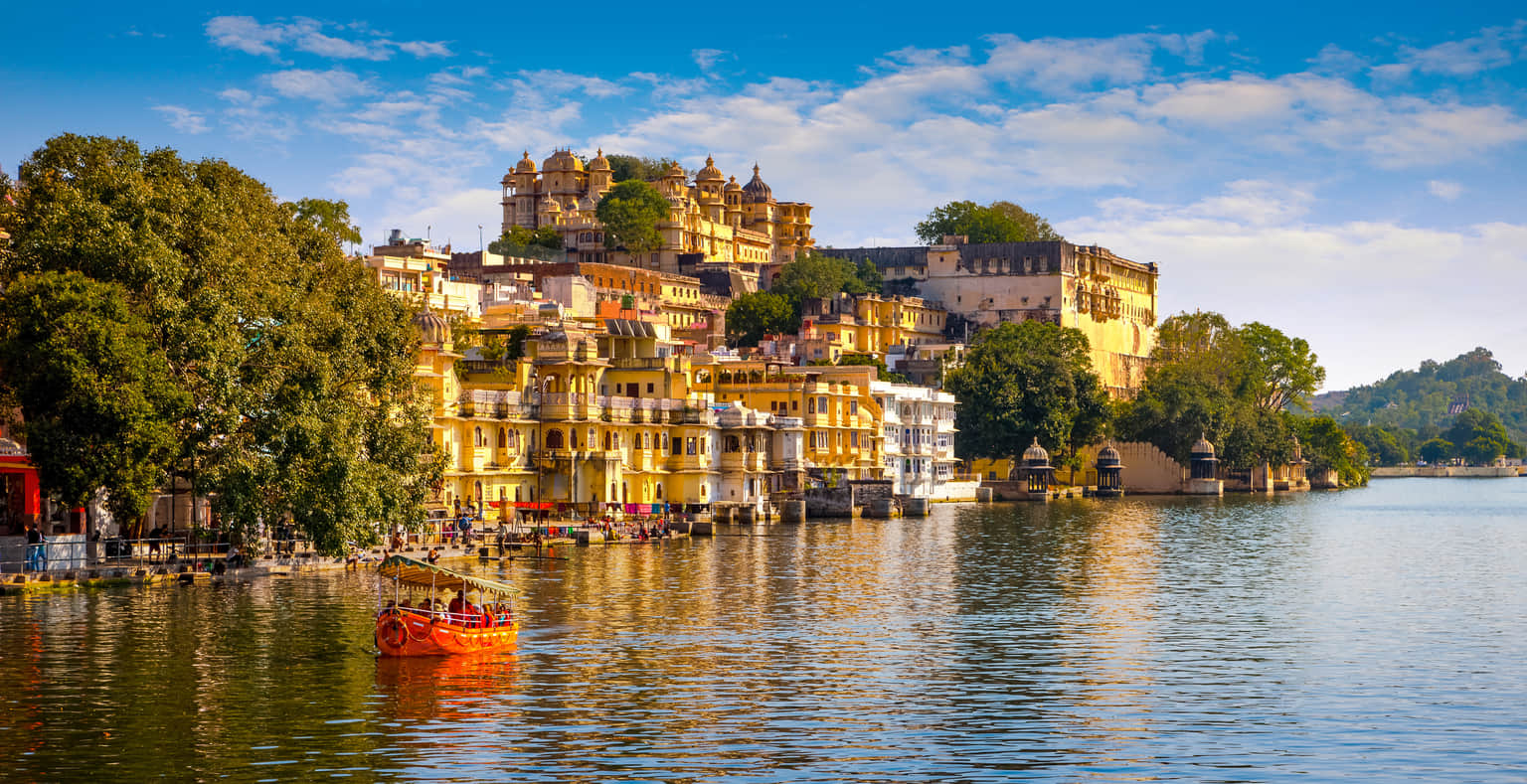
City Palace opening hours through the week.

Happy customers from 70+ countries all around.
Rated across Trip Advisor and Google reviews.
Special curated Indian itineraries built for Indians.
Always there to help before and during trips.

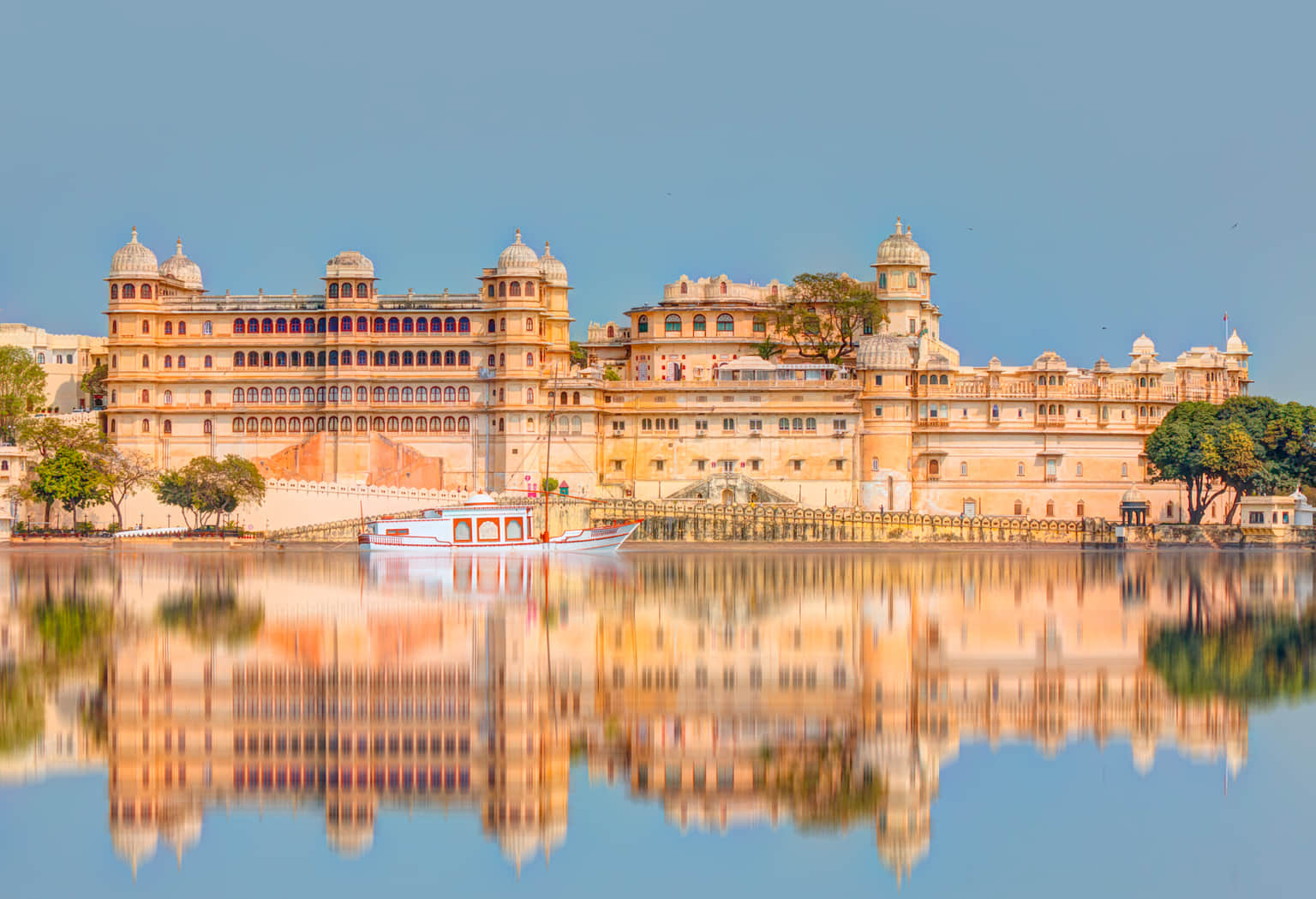
The City Palace is nothing less than an architectural masterpiece. The royal palace was mainly designed by Vidyadhar Bhattacharya, an Indian architect. The European touch was given to this palace by Samuel Swinton, an English engineer and architect. The entire palace was constructed with pink and red sandstones. The beauty of the palace was enhanced by adding gorgeous pillars, jali work, statues, marble detailings and paintings. The gates of the palace are decorated with carvings of rose, peacock and symmetrical patterns. Additionally, the palace has several huge courtyards, lavish rooms, galleries and a beautifully maintained garden.
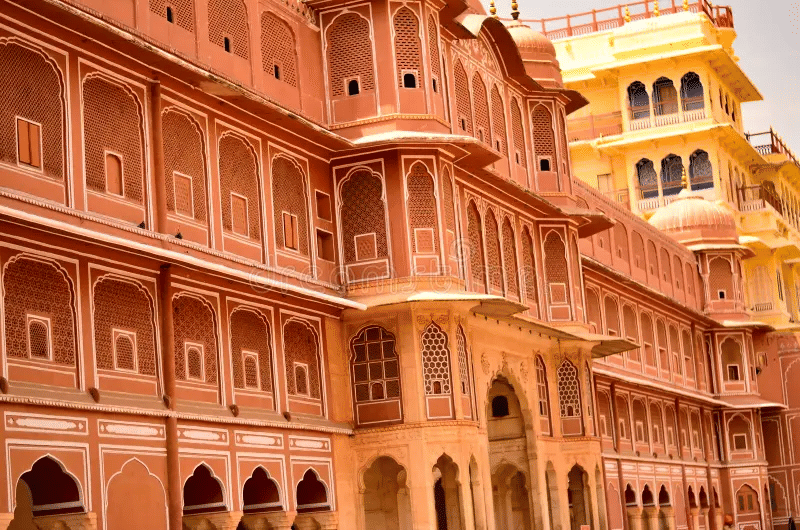
The entire City Palace is divided into subsections, each having a separate function. You will first come across Pritam Niwas Chowk, the entrance courtyard. This courtyard has four separate gates, leading to separate directions and dedicated to four Hindu deities.
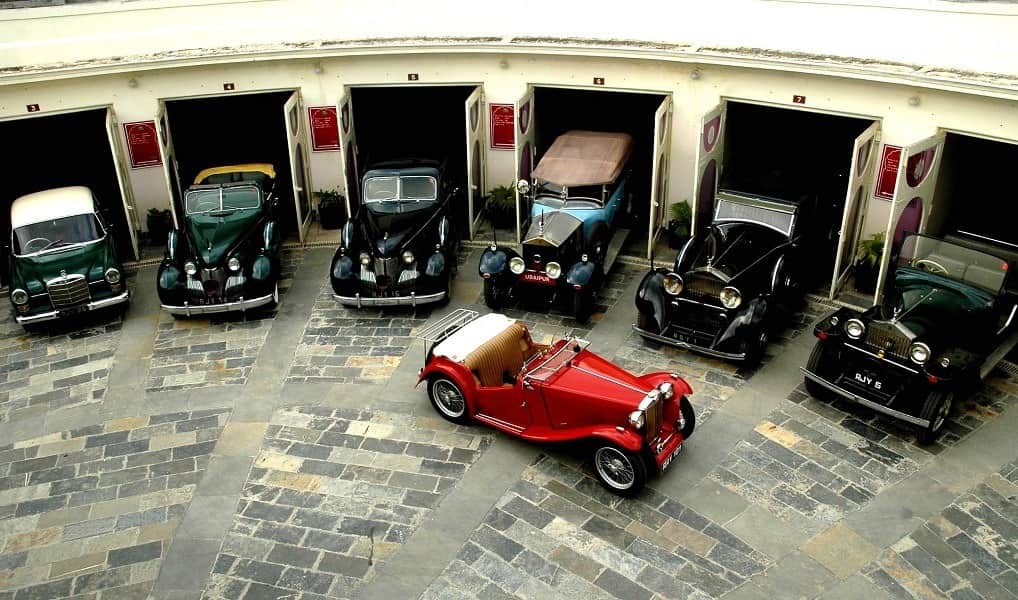
Next, the Mubarak Mahal was a hall where the Maharaja welcomed his special guests. The Chandra Mahal is a separate building with seven floors, each decorated in a unique way. You will need to purchase an additional ticket to enter Chandra Mahal as it is still the residence of the royal family. Bagghi Khana is where you can see the royal chariot and a European-styled car, gifted by Queen Victoria. The other two sections are Diwan-e-Khas, which was built for the private audience of the Maharaja and Diwan-e-Aam, for the general public.
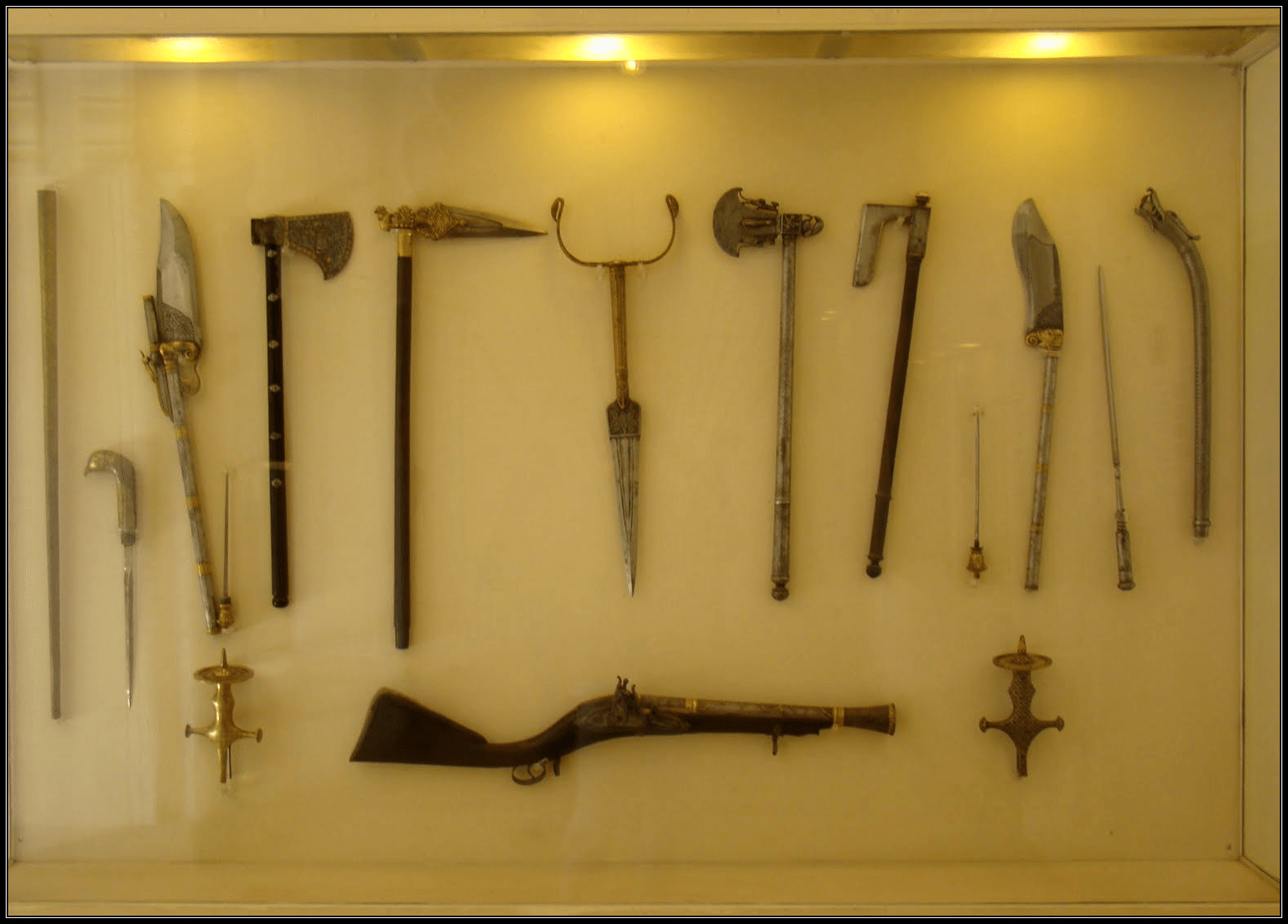
Another must-visit section of the City Palace is the Armoury. This is where you will get to witness the real weapons and armour of the warriors. As soon as you enter the armoury, you will be amazed to see life-size horse structure, wearing horse body armour. The armoury has a huge collection of weapons which were used in wars by the Rajputs. Some of these weapons on display include knives, riffles, knuckle braces, lances, daggers and shields. Some of these weapons date back to the 15th century and some have intricate carvings on them.
Quick links to everything else worth a slot on a longer stay.