Jantar Mantar
Jaipur

Jantar Mantar

Skip-the-lineFamily-friendlyValid 1 day
48/ Adult

About Jantar Mantar

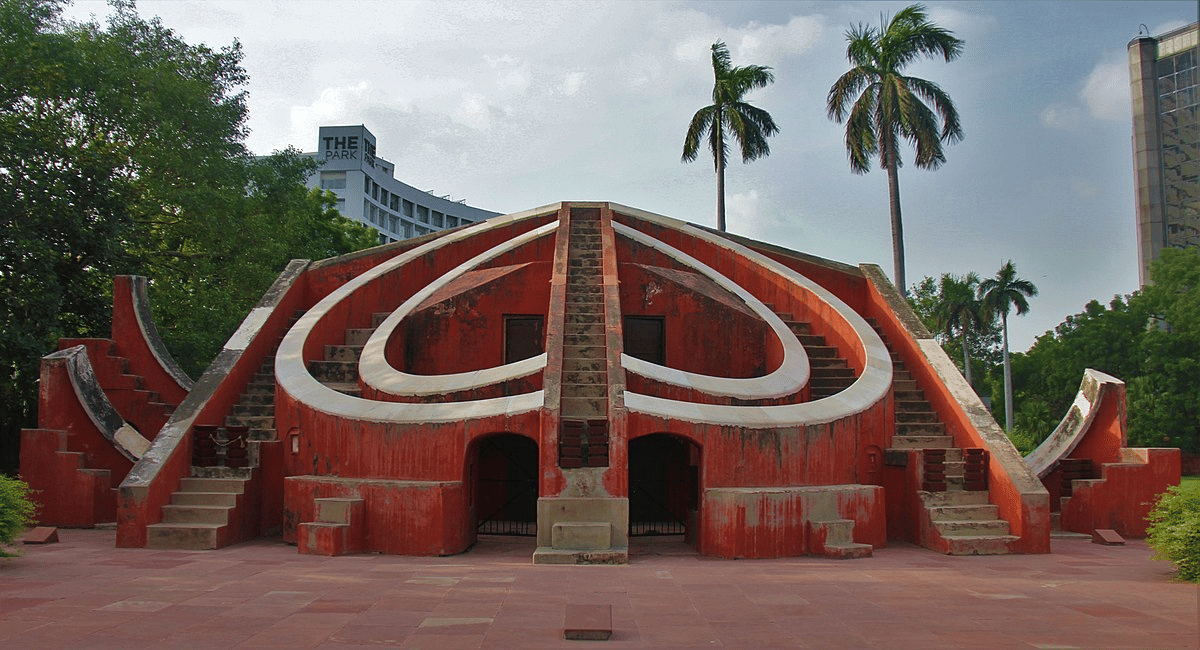
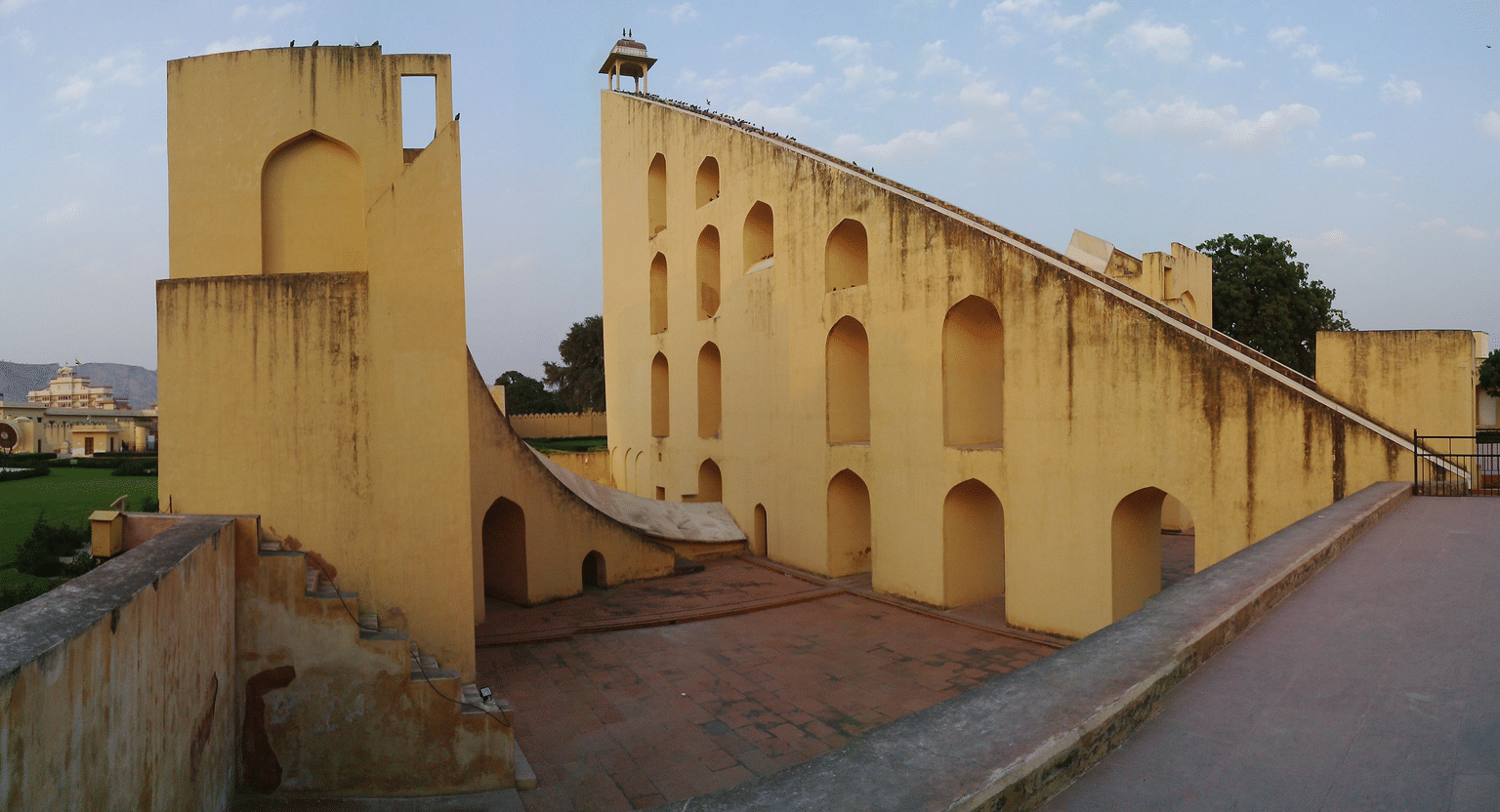
The world’s largest stone sundial, named Vrihat Samrat Yantra, is one of the 19 instruments in Jantar Mantar. These instruments were mainly made of stone, bronze, bricks and mortar. Some other popular instruments of this observatory include Laghu Samrat Yantra, Jaya Prakash Yantra, Ram Yantra and Digamsa. For an enriching experience, take a guided tour so that you can learn in detail about the history of the place and how the instruments functioned. 


History of Jantar Mantar Jaipur


Sawai Jai Singh II was a renowned scholar of his time. Once a while, Emperor Muhammad Shah assigned him a task to confirm and rectify the currently available data on the position and movement of celestial bodies.


Sawai Jai Singh was desperate to refine the tables of ancient Islamic zij to determine the exact time. In short, he aimed to create a well-defined calendar. He was keen on making accurate astrological predictions for the benefit of mankind.


 To bring his dream to reality, he decided that he would construct Jantar Mantar in the year 1718. For the same, he set out on a mission to extensively study the cosmological principles as laid down by the philosophical findings of Hindu, Islamic, European, and Persian civilization.


 In this way, five different astronomical observatories were constructed across various states in India.


The largest amongst all was built in Jaipur in between the period 1727 to 1733. After that, it underwent frequent renovations with the lapse of time.


The available instruments have a broad range of cosmological applications. In the year 2010, this astronomical observatory got featured in the list of UNESCO’s world heritage sites. 


The architecture of Jantar Mantar Jaipur

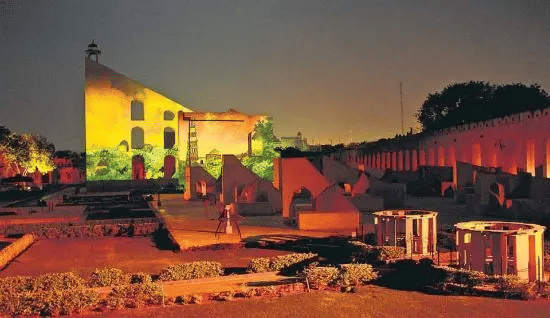
The astronomical observatory of Jaipur – Jantar Mantar, is a collection of both astronomical and architectural instruments. In all, you may find around 19 major geometrical devices here. Each one of them has got its own specific application.


These devices are used to measure time; ascertain the declination of the planets and the planetary system; prediction of the eclipses; determination of the celestial altitudes, and tracking of the orbital stars.


Sheltering so many instruments, the entire observatory extends to a land stretch of 18700 metres. Interestingly, some of the instruments available here are amongst the largest in their own species.


The instruments of this astronomical observatory were carved out purely from stone and marble as they have got a tremendous potential to withstand climatic changes. Some of them were designed by Raja Sawai Jai Singh II himself.


A few of these instruments were carved out from copper and still are recognised for their undeniable accuracy. In terms of its dimensions, the Jantar Mantar at Jaipur is the largest of all its counterparts present elsewhere in India. 

Jantar Mantar Ticketing Option

Jantar Mantar Highlights

• Take a guided tour to explore one of the fascinating UNESCO World Heritage Sites, Jantar Mantar.
• Witness the world’s largest stone sundial, Vrihat Samrat Yantra with a height of 90 ft. 
• Learn about the purpose and function of each of the 19 astronomical instruments. 
• Watch a short film inside the observatory narrating the history of the monument and the instruments.
• Visit nearby popular attractions such as City Palace, Hawa Mahal and Shri Govind Dev Ji Mandir.

Recognised by the world's travel authorities
Adfbvcs
Bsfdg
Sacx
Sdcd
Wersfv

Jantar Mantar Best Time to Reach

Jantar Mantar, Jaipur is located within the state of Rajasthan which faces oppressive sweltering heat of summers. Thus, spring or winter months are best to plan your visit to this astronomical observatory. 
Thrillophilia

Why Choose Thrillophilia?

3 Million+

Happy customers from 70+ countries all around.

4.8/5

Rated across Trip Advisor and Google reviews.

Curated With Love

Special curated Indian itineraries built for Indians.

24/7 Assistance

Always there to help before and during trips.

Jantar Mantar Other Essential Information


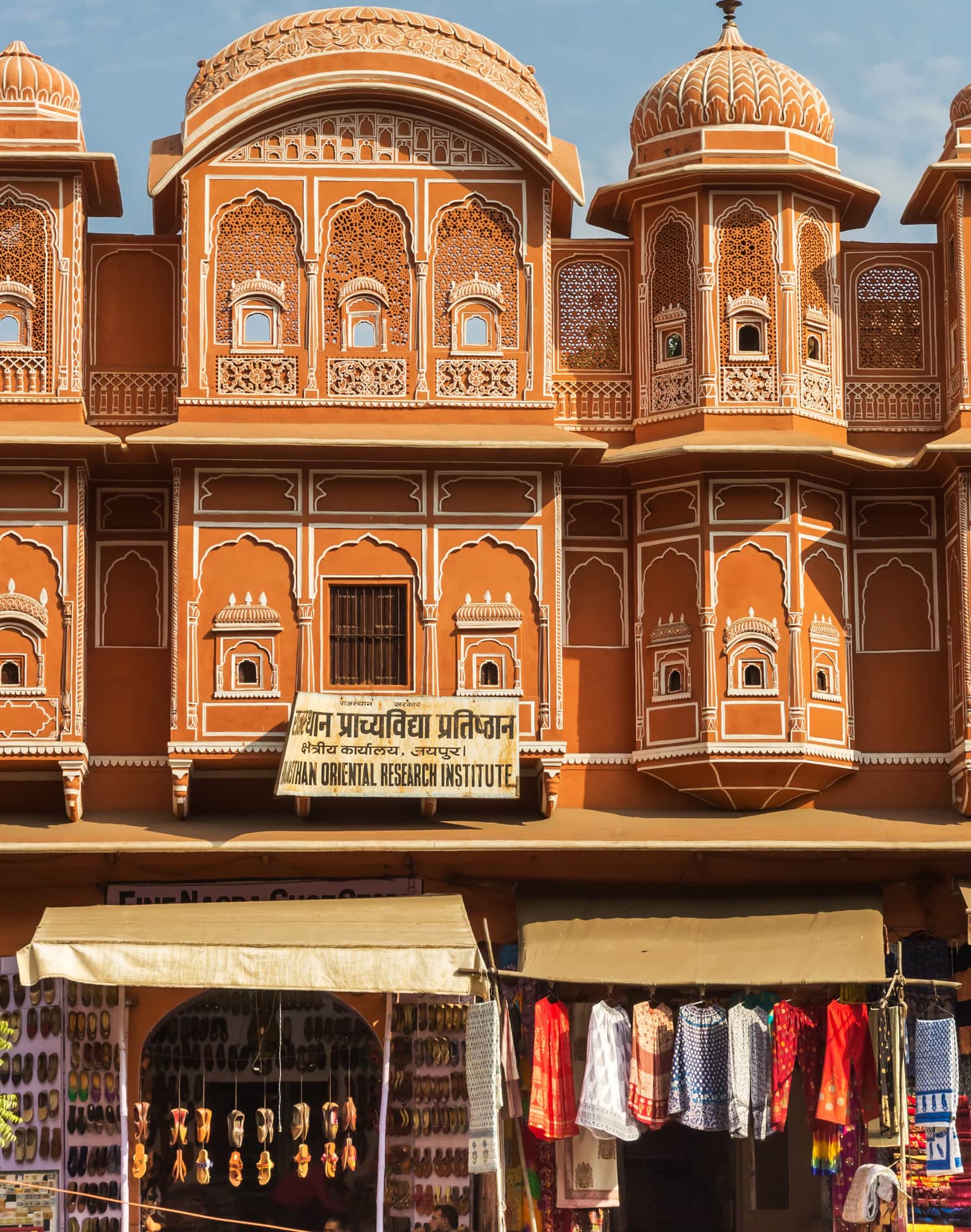
Location – Jantar Mantar of Jaipur is located at Gangori Bazar within the Market Pink City of Jaipur. 

Timings –  You can step in and out of Jantar Mantar anytime between 09:00 am to 04:30 pm 

Fee – The entry fee to Jantar Mantar of Jaipur is as follows – 

For Indians – 50 INR per head 

For Indian students – 15 INR per head 

For foreign tourists – 200 INR per head 

For international students – 100 INR per head 

Tips for Visiting Jantar Mantar Jaipur – 


1. If you are planning your Jantar Mantar visit in the summer months, either plan it early in the morning or late in the evening. 

2. Wherever you go, it is always advisable to keep a bottle of water with you. This will help you to stay hydrated throughout your tour.

3. There is an orientation building within this observatory. It schedules a short film briefing about the observatory and its evolution. 

4. If you are interested in learning more about its history, it is better to hire a guide. They are your best companions to brief you about the instruments available at the Jantar Mantar Jaipur. 

5. Wear comfortable clothing and footwear to walk safely in and around the observatory. 

6. You are permitted to click pictures or shoot a video here. However, you are required to pay nominal charges for the same. 

7. You just need to spend 30 minutes of your valuable time to take a 360-degree tour around the observatory. 

Trussted Partners

Hotel & resort partners
Hotel & resort partnerHotel & resort partnerHotel & resort partnerHotel & resort partnerHotel & resort partner
Tourism boards
Tourism board partnerTourism board partnerTourism board partnerTourism board partnerTourism board partnerTourism board partner

How to Reach Jantar Mantar


Here’s a quick to refer the plan to get transferred between the Jaipur Airport and Jantar Mantar Jaipur – 

 By Line 3 Bus – If you directly opt for a Line 3 bus from Jaipur Airport, you will have to alight at Tonk Phatak. From there, you need to board another bus to drop you at Badi Chopar. Once you get down, start walking in the direction of Jantar Mantar Jaipur. 

Total travelling time – 57 minutes 

Charge – 30 to 45 INR per head 

 By taxi ride – Jaipur Airport is located at 12.6 km distance from Jantar Mantar, Jaipur. Within 12 minutes, you will be transferred between two destinations. 

Charge – 300 to 360 INR per round 

Jantar Mantar FAQs