Kilim Karst Geoforest Park
Langkawi

Kilim Karst Geoforest Park

Skip-the-lineFamily-friendlyValid 1 day

About Kilim Karst Geoforest Park

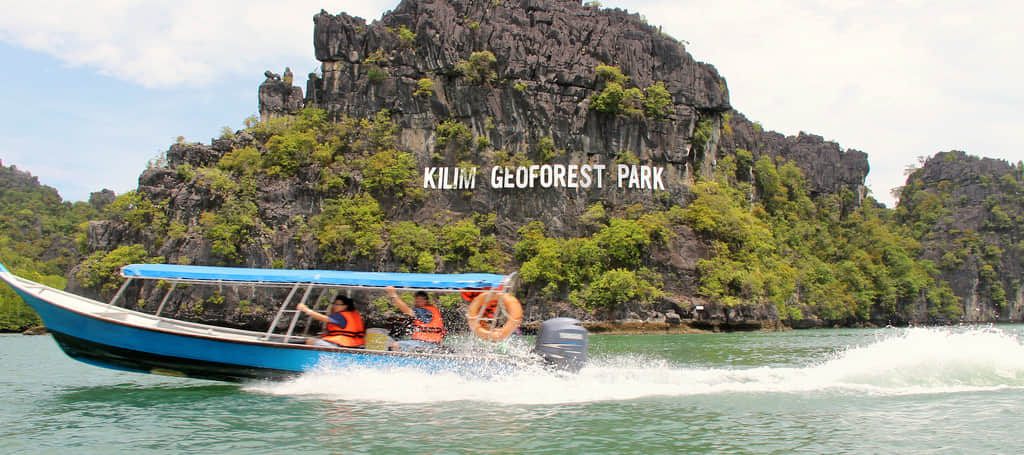
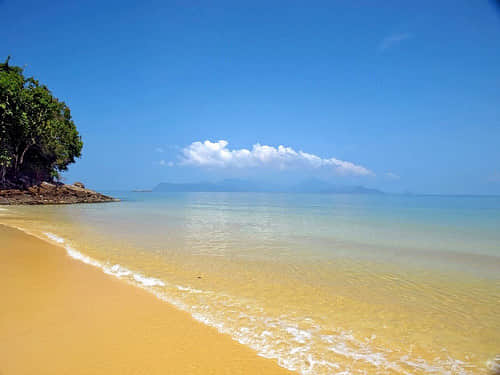
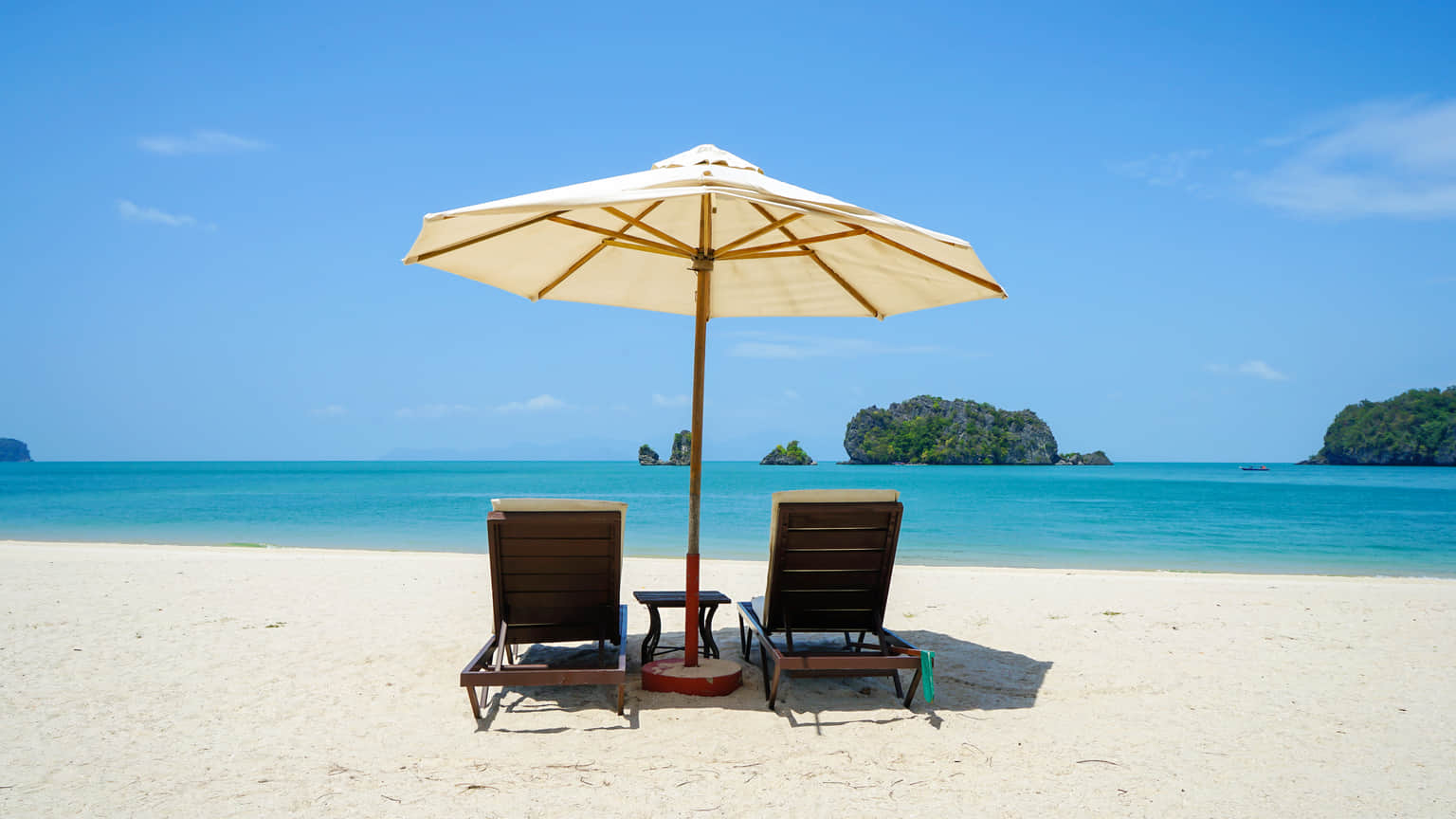
Kilim Karst Geoforest Park is nestled at the northeastern tip of Langkawi and is full of sandy beaches, mangrove swamps, lush green trees. It is just a 10 minutes drive from Tanjung Rhu beach and thus, is a good option for families; especially those with kids and can be one of the most Langkawi places to visit.

During the months of September to March, which form the migratory season, tourists can spot different species of birds here. Some of them being - white-bellied fish eagles, kite eagles, and kingfishers. For the other months, the wildlife is not bad either and comprises of creatures like monitor lizards and tree climbing crabs.

Location: 3 kilometres from Tanjung Rhu Beach towards the northeast

Timings: 8 am to 5 pm

Entry Fees: RM 200 to 500 for a tour guide plus a boat ride.

Must Visit: Temples in Langkawi

Also Check out & Book: Kuala Gandah Elephant Sanctuary Tickets

Suggested For You: Places to Visit in Langkawi

Kilim Karst Geoforest Park Highlights

• Enter the Kilim Karst Geoforest Park through the infamous Kilim River Tourism Jetty.
• Witness the elegance of coexisting coastal Karst and mangrove ecosystems.
• Experience the richness of Malaysian heritage through the humblest village of Kilim that is located inside this park.
• Engage in Socio-economic activities with locals of the Kilim village.
• Visit the most unique tunnel cave made of pure limestone.
• Explore the island of Tanjung Rhu to relax on one of the cleanest beaches watching 20 different species of birds.
• Check out the Bats cave (Kalawar Cave) situated in between the mangrove swamps.
• Walk towards one of the freshest lakes in Langkawi islands, the Langgun Lake.
• Enjoy snorkelling at the dangli island during neap tide with the calmest waters.
• Enter the mysterious Gua Buaya cave commonly known as the crocodile cave.
• Catch a glimpse of the infamous habitants like Brahmini kite, white-bellied sea eagles, and monitor lizards.

Recognised by the world's travel authorities
Adfbvcs
Bsfdg
Sacx
Sdcd
Wersfv
Thrillophilia

Why Choose Thrillophilia?

3 Million+

Happy customers from 70+ countries all around.

4.8/5

Rated across Trip Advisor and Google reviews.

Curated With Love

Special curated Indian itineraries built for Indians.

24/7 Assistance

Always there to help before and during trips.

Kilim Karst Geoforest Park Other Essential Information

Places to Explore Near Kilim Karst Geoforest Park

A) Biodiversity

1. Mangrove Flora: Mangroves can withstand extreme weather conditions including strong water currents, high temperatures, high salinity, strong winds and muddy soils in anaerobic states. The term mangrove points to trees, plants, ferns shrubs, palms etc mainly called mangrove swamps. The mangrove of Kilim is generally composed of two types, Bakau Kurap (Rhizophora mucronata) and Bakau Minyak (Rhizophora apiculata). 

2. Limestone Flora: The limestones of the Kilim Geoforest Park date back to 500 million years in the past. The limestone structures are found almost everywhere inside this place with beautiful colours and shapes.. The most unique species is the limestone cycad found in the limestone hills. Beautiful yellow flowers are famously known to grow on the limestone deposits.

3. Fauna: The biodiversity index of Kilim Geoforest Park is impressive as there is a variety of species of different animals are found here. 34 species of Mangrove fauna, 33 species of snakes, 25 species of mammals and a whopping 238 species of birds are found in this area. Among 84 species of butterflies found here, 22 of them are the rarest species belonging to Geoforest Park only.

Also Visit: Temples in Langkawi

B) Geological Wonders

1. Rock Diversity: The oldest carbonate rock in the region, dates back to almost 500 million years ago, While the intermost of the rocks are made of Setul formation, the younger rocks are of Singa formation with layers of sandstone in them. Karst hills with overhanging cliffs, limestone caves, and bare rocks are diverse rocks found in this region. 

2. Landform Diversity: The Setul limestone of the Geoforest park got dissoluted, resulting in different shapes and forms of the pinnacles, islands and hills. The most interesting outcome of this dissolution of rock formations are needle-like structures, known as pinnacles. Rock formations enlarge and join together in a series to form a lake tunnel showcasing different beautifully shaped and coloured limestone deposits. 

3. Fossil Diversity: Fossils of the Geoforest park try to speak about the Setul and Singa formations dating back to 500 to 200 million years ago. These fossils are mainly inside limestones and detrital rocks taking shapes of moulds, karsts, traces and imprints. Fossils are found here in various shapes such as spiral ones in different colours.

Recommended Read: Waterfalls in Langkawi

Tips to Visit Kilim Karst Geoforest Park

- Make sure to pre-book your tickets as this place is a crowded place leading to sold-out tickets.

- Be careful while entering inner tunnel lakes as it is home to hundreds of bats.

- Carry medicines with you in case of any discomfort near saline waters.

- Stay hydrated as this place involves continuous exploration.

- Be careful while feeding the eagles at different places in this park.

Also Read: Private Beaches in Langkawi

Trussted Partners

Hotel & resort partners
Hotel & resort partnerHotel & resort partnerHotel & resort partnerHotel & resort partnerHotel & resort partner
Tourism boards
Tourism board partnerTourism board partnerTourism board partnerTourism board partnerTourism board partnerTourism board partner

How to Reach Kilim Karst Geoforest Park

You can reach Kilim Geoforest Park by taking a motor boat from Kilim River Jetty, and Tanjung Rhu Bay. A 20-minute boat ride from Pantai Tengah will take you to Kilim Geoforest Park.

Suggested For You: Places to Visit in Malaysia

Kilim Karst Geoforest Park FAQs