Location: Bangi Thabal Guest House Road, Padavayal, Kerala 678582.
Timings: Wednesday to Monday (9:00 am – 5:30 pm)
Entry Fee: INR 15 for adults, INR 10 for children and INR 2 for students. An additional fee of INR 25 is charged for still cameras and INR 150 is charged for video cameras.
Elevation: 8,625 feet or 2,629 meters above sea level
Distance from Ooty city centre: 167.5 km by road.
History of Mukurthi National Park
The history of the Mukurthi National Park goes way back to the 19th
century. It all began when the Toda Tribes began harvesting the hill buffaloes and firewood from the Shola regions. With the advent of the British government, the felling of trees increased in the Wellington, Coonoor and the Ootacamund region.
In 1832, the Bangitappal Pass was constructed at the southern end of the Park as a land route as a means for the postal runners to access the western coast in Ooty. This passage was later used to smuggle tobacco, cannabis and salt. In 1930, a trekker’s shed and a forest house was built, which is now used by visiting researchers and the park staffs.
To meet the demand for fuelwood, the first plantations were started in the year 1840 and by 1856, various species of trees were planted and thriving in the region. Dietrich Brandis, the then Inspector General of the Forest Department, increased the plantation area from 1200 acres to 5000 acres in 1882.
The whole area of the Mukurthi National Park was declared a Reserve Forest in the year 1886 and on 3rd
August 1982, the Park was declared a Wildlife Sanctuary.
Geography of Mukurthi National Park
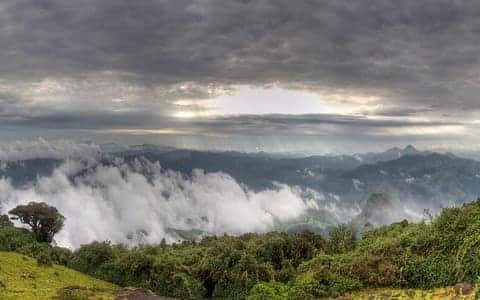
Mukurthi National Park boasts of rich and diverse geography. It is a vast cradle of various endangered and rare species of plants, trees, birds and animals.
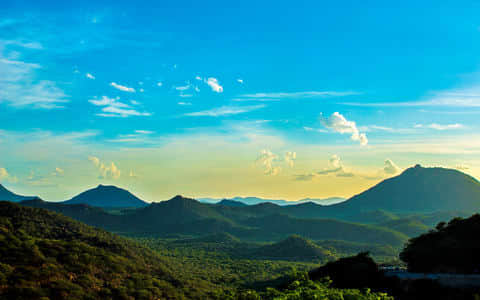
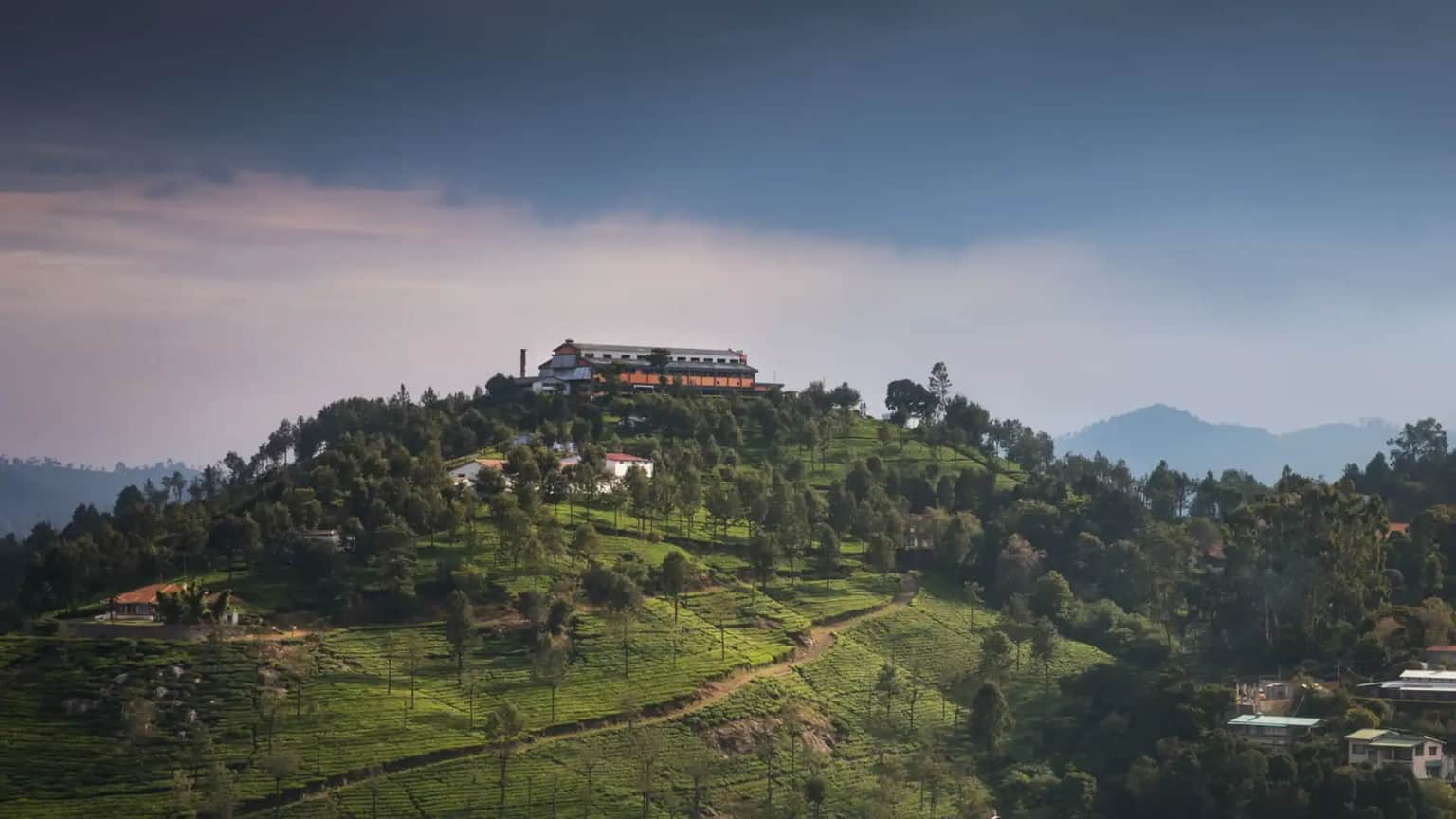
1. The Mukurthi National Park lies between the Silent Valley National Park and the Mudumalai National Park. The primary terrain of the National Reserve consists of shrublands and tropical montane grasslands with climatic conditions suitable for wet temperate mixed forests. In fact, the flora of the place replicates the flora of the area around the Himalayan foothills.
2. The Mukurthi National Park is situated at an elevation of 2400 metres above sea level. The highest peak in this region is Kolaribetta, which is 2630 metres tall. The two other important peaks are the Nilgiri, which stands tall at 2477 metres and the Mukurthi peak at 2556 metres above sea level.
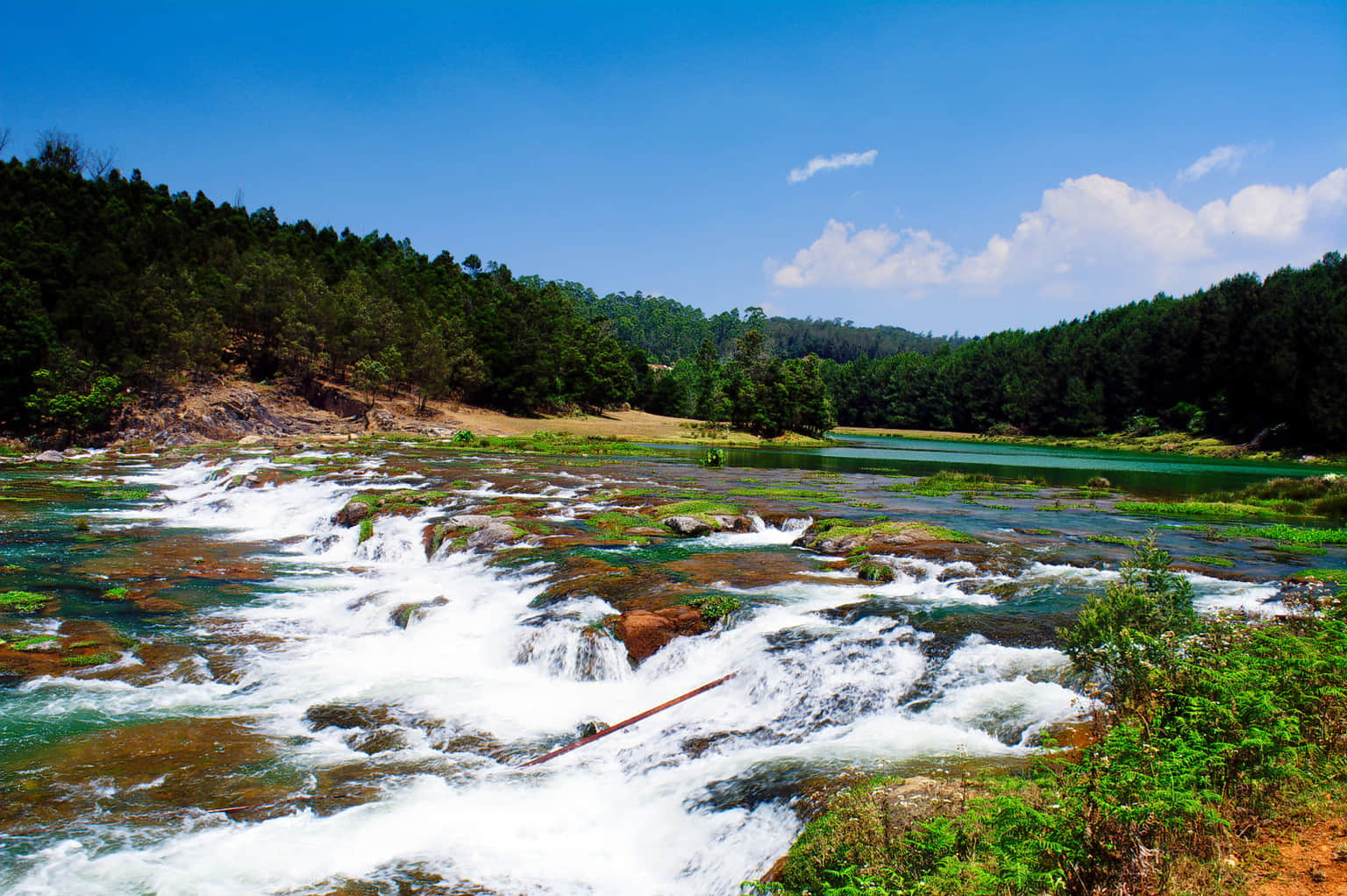
3. The Park gradually slopes down towards the east and it receives water from the Kundah, Pykara and the Billithadahalla Rivers. The Mukurthi and the Upper Bhavani Reservoirs are the other sources of water for the National Park. Several perennial streams flow through the reserve as well, which drain into the Bhavani Puzha.
Places to Eat near Mukurthi National Park
While visiting the Mukurthi National Park, you can stop for a meal at one of the many local eateries in the area. Listed below are the names of the popular restaurants nearby:
1. Red Chillies Restaurant: Situated on the Thavalam Area, this is a multi-cuisine restaurant that serves a host of dishes from many cuisines. Their speciality includes biryani, beef roast, local Keralan food and seafood dishes. The ambience is pleasant and is perfect for a wholesome meal with your family.
2. Royal Chick Family Restaurant: The Royal Chick Family Restaurant is a very popular restaurant that is family-friendly and specializes in Arabian food. Located on Karuvarakundu Road, this place is open from 11.00 am to 11.00 pm on all days of the week.
3. Bamboo Hotel: The Bamboo Hotel is located in the Mukkali area, Kerala and is a family restaurant popular for serving wholesome and delicious breakfasts and homely lunches. The restaurant remains open from 8.00 AM to 9.00 PM.
Trekking and Camping in Mukurthi National Park
Mukurthi National Park also has several camping spots and the versatile terrain also allows for a unique trekking experience.
1. The trekking route usually starts from the highest peak of the region, the Mukkurthi Peak and goes through Sipara, Musimundo, Anaikatti, Moyar, western Catchment and finally ends in the Silent Valley.
2. A total distance of 8 to 60 kilometres of road is covered during trekking in the National Park.
3. The trekkers are divided into groups of 20 people at a time by the trekking department. The department also provides essential items like camping tents, guides and cooks and also offers pre-prepared and packed meals for your journey.
4. Tourists who are interested in trekking are requested to bring their personal rucksack and sleeping bags for camping purposes.
5. Trekkers who are especially interested in exploring the biodiversity of the area, are given special permission to enter the Forest Reserve.
6. The entire duration of the trek, along with a well-equipped camp, takes about 3-5 days and the expenses and logistics are organised by the Trekking Department.
Flora and fauna in Mukurthi National Park
The biodiversity that can be found in the Mukurthi National Park is one of its key features. Apart from being a sanctuary for many wild animals and migratory birds, it is also a reservation area for endangered animals, rare birds and unique trees and plants.
1. Flora: Amongst the mind-boggling diversity of the National Park, especially in terms of its flora, you can find rare blooms like wild yellow raspberries, Guthania Fergidinicma, cinnamon trees, Satyrium Nepalese, Mahonia Leschenaultii and much more.
You can also catch sight of some of the most beautiful flowers like orchids, rhododendrons, Eria Abliflora, Oberonia Santapaui and Aerides Crispa.
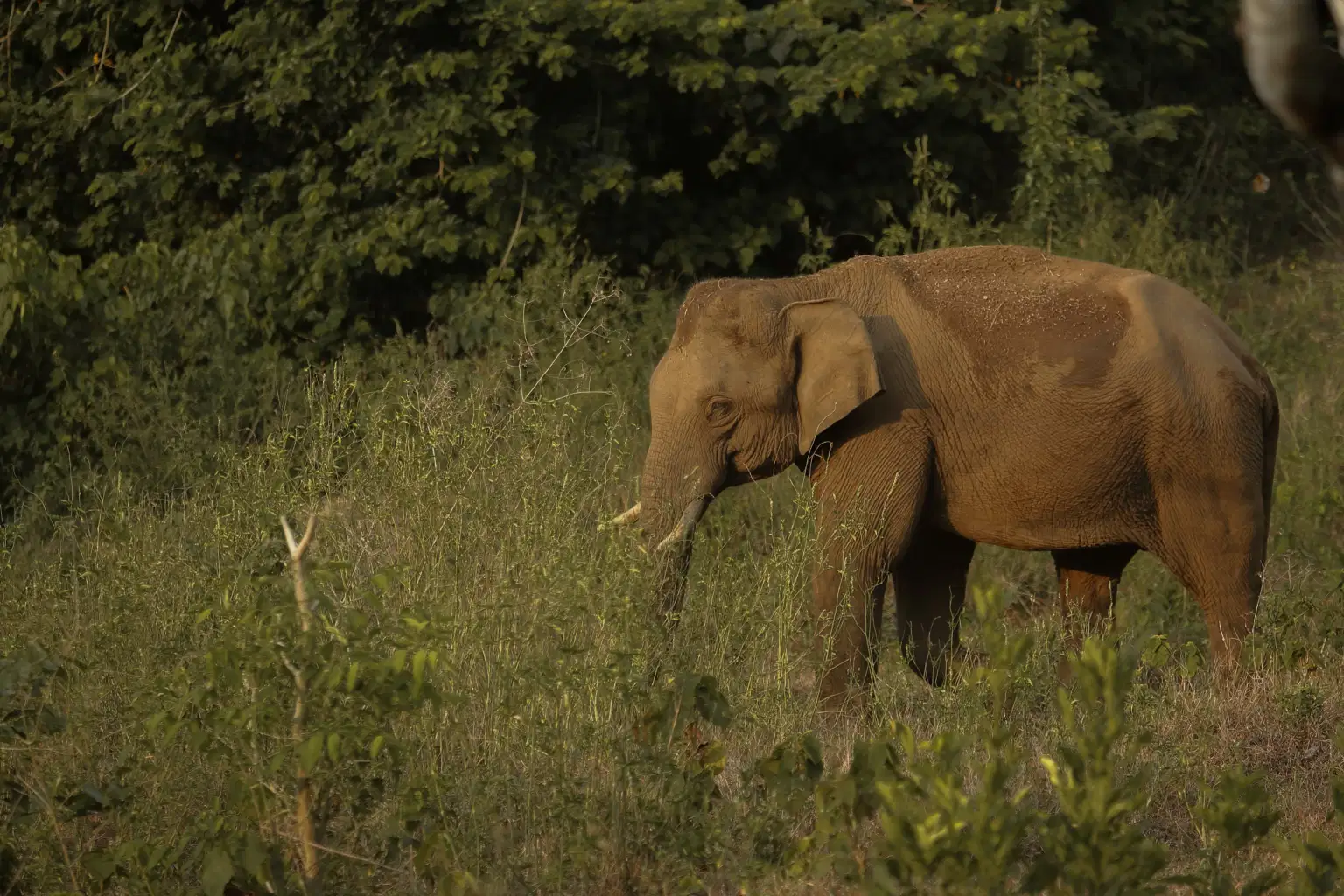
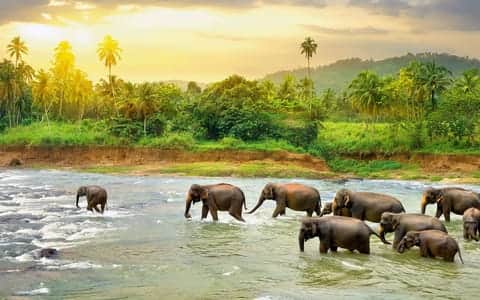
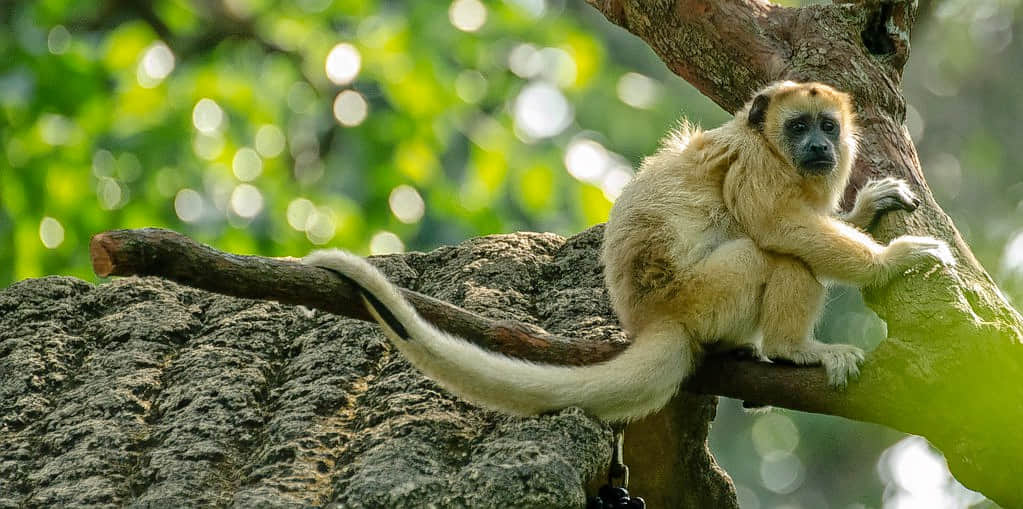
2. Fauna: The dense flora of the National Park is balanced by equally diverse fauna. Some of the most notable animals that can be found here include the majestic Royal Bengal Tiger, Nilgiri Tahrs, Asian elephants and Sambar deer to smaller animals like the jungle cats, Nilgiri marten, soft-furred rats and the Malabar spiny dormouse.
There are various types of frogs as well like the Raorchestes Tinniens and the Bufo Microtympanum. It is also a great place for bird-watching, where you can catch a glimpse of birds such as the orange flycatcher, grey-headed flycatcher, woodpigeons, laughing thrush and even butterflies like the Indian Red Admiral, Indian Fritillary, Cabbage White and True Admiral.
Travellers' Tip before visiting Mukurthi National Park
Here are a few pointers to make your trip to Mukurthi National Park a truly memorable and rewarding experience
1. The best time to visit the park is between September to November.
2. If you are planning to go trekking, you must carry your own sleeping bag and your own rucksack (even if the Forest Department or the trip organizers offer to provide these to you)
3. A small medical kit and first aid box is also something you must carry on your trip.
4. Suitable trekking clothes like track pants and jackets will be more comfortable while going around the National Park.
5. Jungle Boots are a must when you are booking this tour since most of the exploration you will have to do will be on foot.
6. Sunscreen lotions and sunglasses are also a must.
7. No matter what the purpose of your travel is, you will want to capture the unbelievable natural beauty of the place. Make sure you carry your camera when you are here.


.jpg?w=1536&q=65&format=auto)