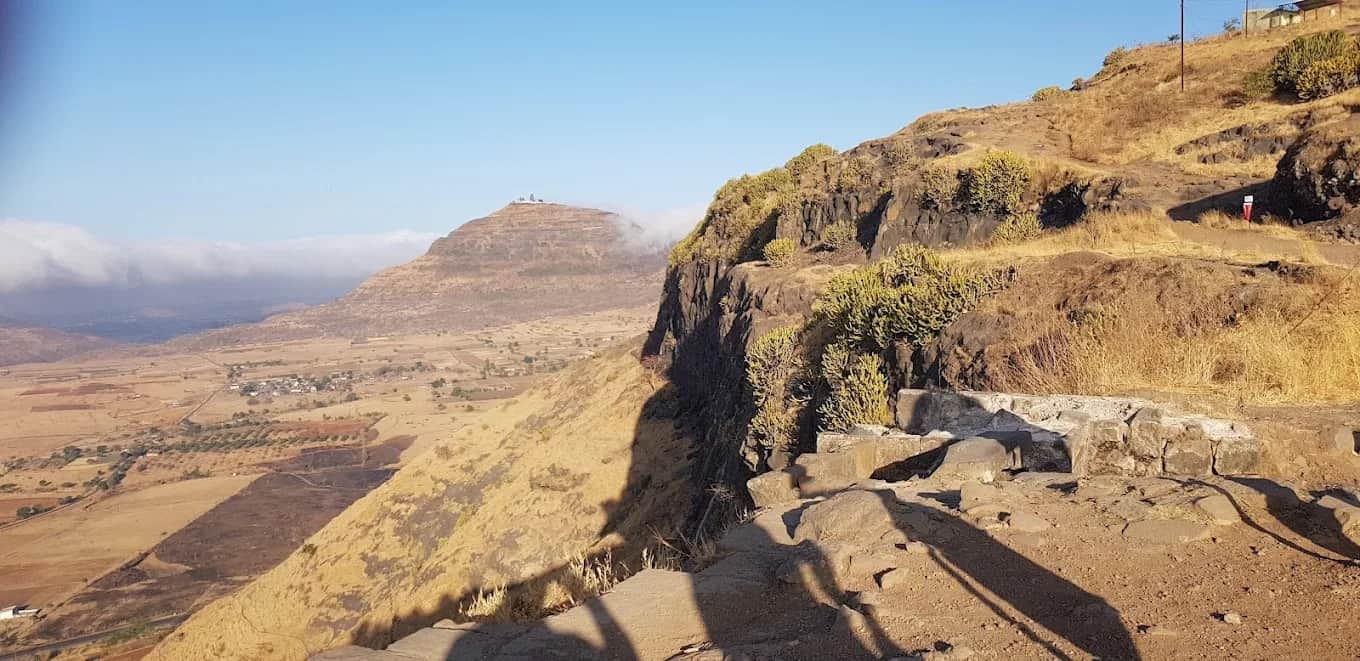
Ramshej Fort, Nashik
About Ramshej Fort
Day Wise Timings
Ramshej Fort opening hours through the week.
Ramshej Fort Highlights

Why Choose Thrillophilia?
3 Million+
Happy customers from 70+ countries all around.
4.8/5
Rated across Trip Advisor and Google reviews.
Curated With Love
Special curated Indian itineraries built for Indians.
24/7 Assistance
Always there to help before and during trips.

Point of Interest for Ramshej Fort
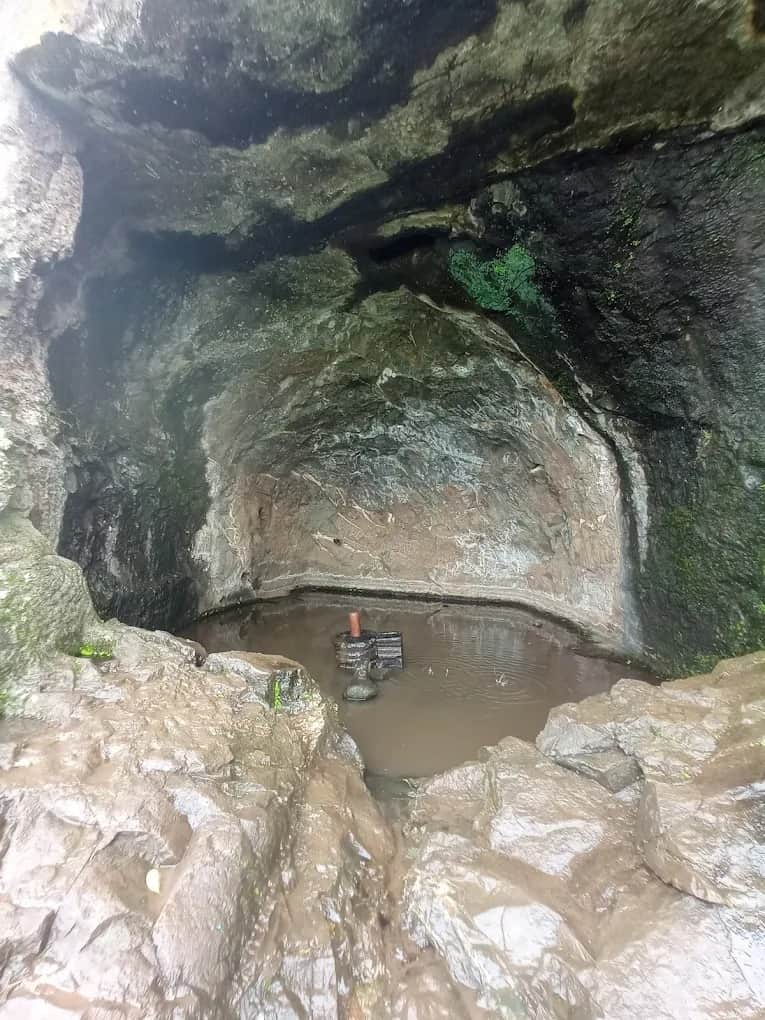
Discover the Ram Mandir and Cave Temple
On the way from Aashewadi village, trekkers come across a serene cave temple dedicated to Lord Rama. This large, well-maintained cave is said to have housed the deity during his exile. It’s not only a sacred resting point but also offers shelter and a quiet ambience. Nearby inscriptions and a clean water cistern make it both a spiritual and practical pause for hikers.
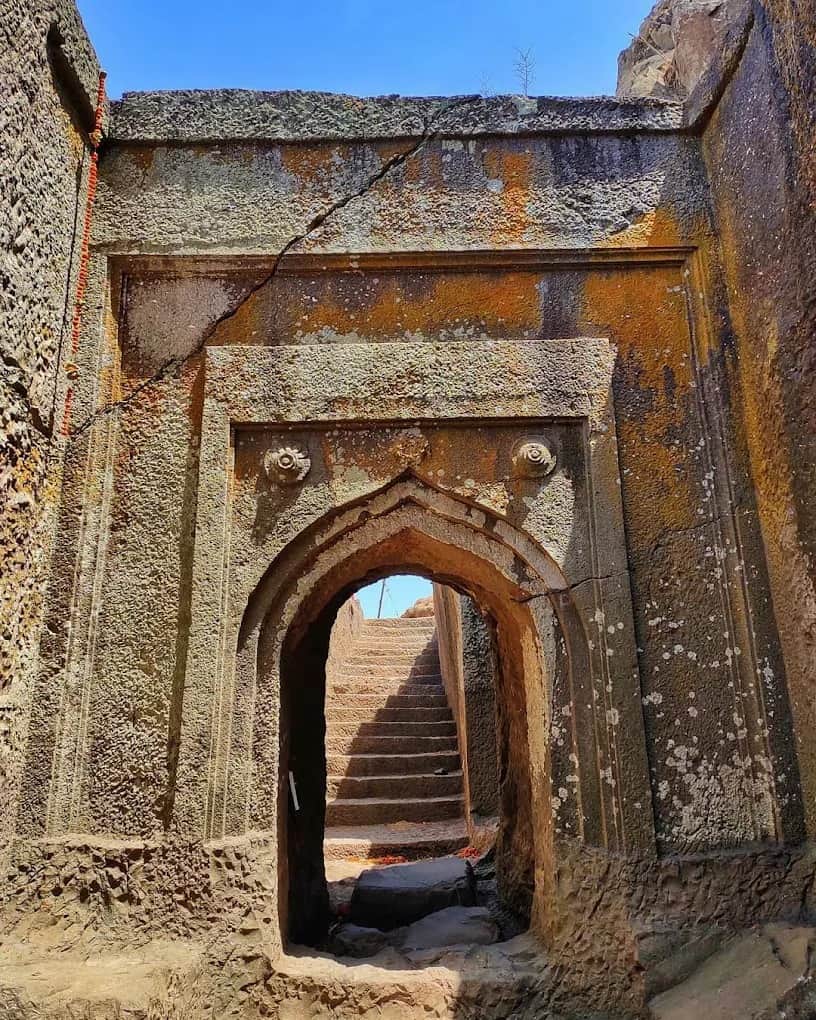
Explore the Mukhya Darwaja
The main gate of Ramshej Fort, now partially in ruins, lies beneath a cliff and reveals the architectural style of the era. Carved directly into the rock, it once served as a prominent defence line. The gate leads to a plateau with ancient ponds and pathways that hint at the fort’s once-thriving ecosystem and strategic access routes.
.webp?w=1536&q=65&format=auto)
Visit the Devi Mandir and Gupt Darwaja
Higher up on the trail lies a small temple dedicated to a local goddess, which becomes a hub of celebration during Navratri. Behind this temple is a hidden doorway, the Gupt Darwaja, which once served as an escape route or covert entry point. Though now inaccessible, its very presence adds depth and historical mystery to the fort’s story.
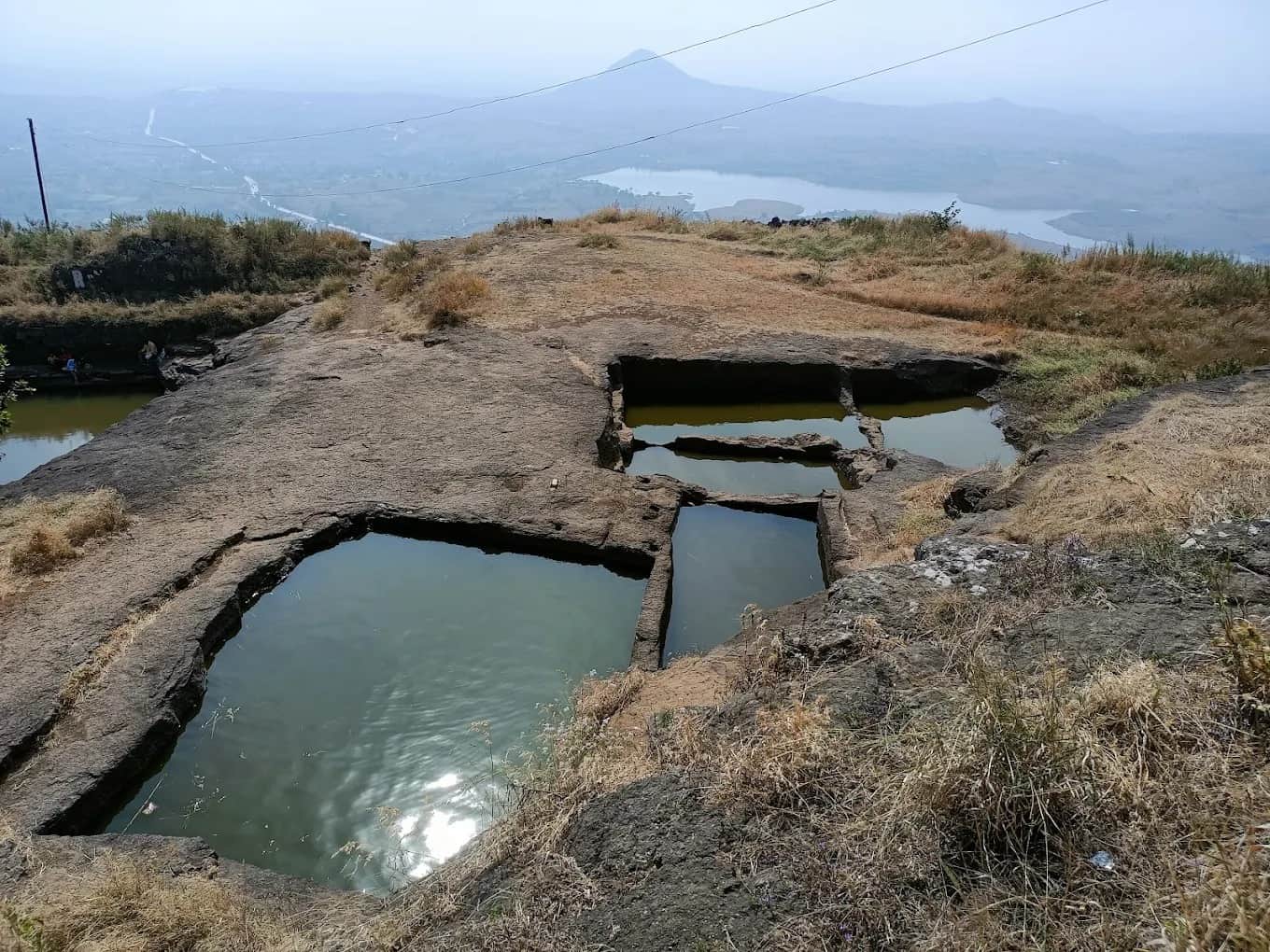
Learn about the Water Management System
One of Ramshej Fort’s most brilliant features is its ancient water conservation system. A cistern beside the Ram temple and a large reservoir at the summit are aligned perfectly to collect and retain water year-round. Even in the harsh summers, these structures hold water sourced from natural rock springs, a testament to the fort’s sustainability and engineering excellence.
Ramshej Fort FAQs
.jpg.jpg?w=1536&q=65&format=auto)
.jpg.jpg?w=1536&q=65&format=auto)
More Things to Do in Nashik
Quick links to everything else worth a slot on a longer stay.