Tabo Monastery, <em>Spiti Valley</em>
Spiti Valley

Tabo Monastery, Spiti Valley

About Tabo Monastery

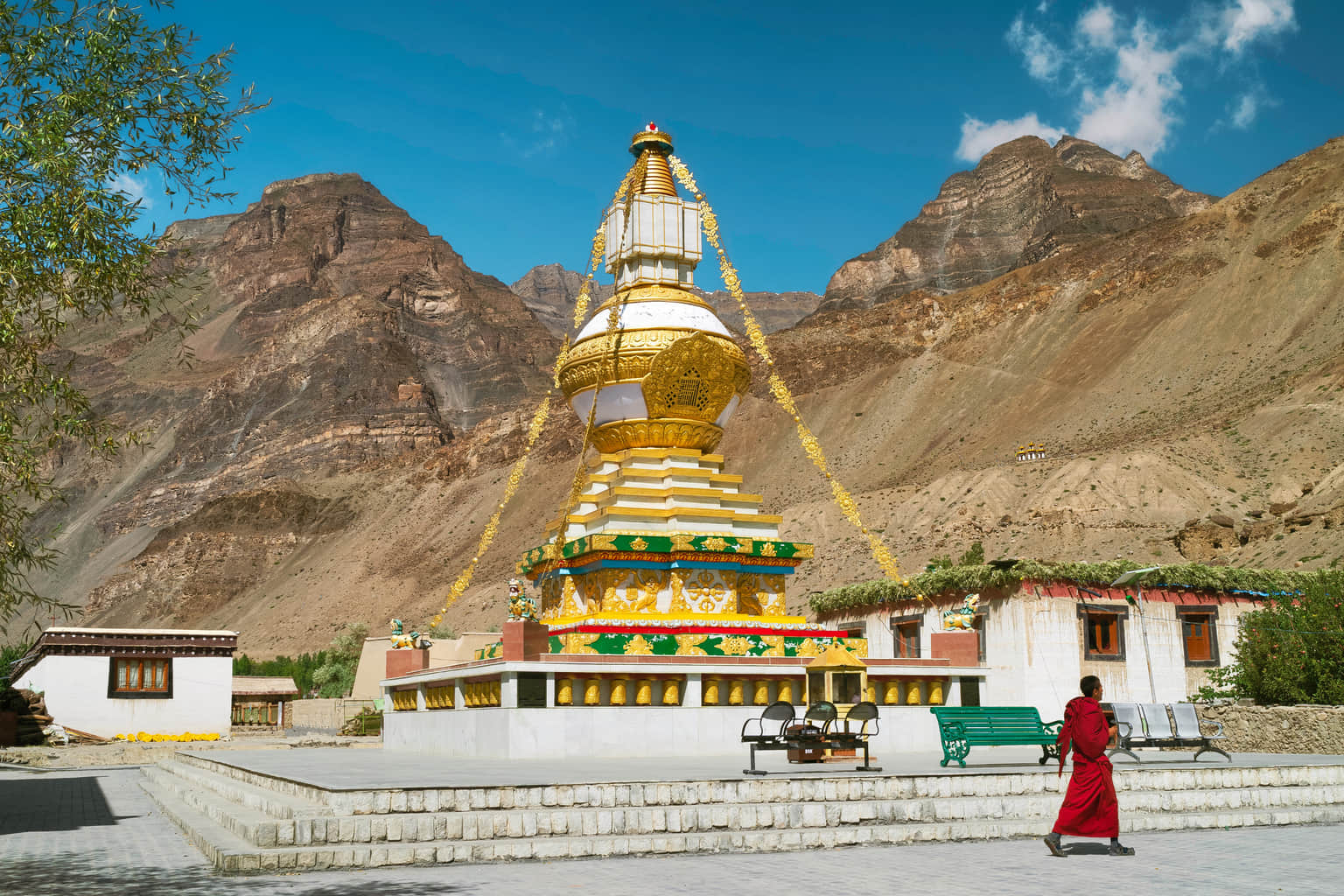
Tabo Monastery is nestled in the serene Spiti Valley in Himachal Pradesh. It ranks as one of the top places to visit in the region to understand Buddhist heritage and culture. Founded in 996 AD by the Tibetan Buddhist Lotsawa Rinchen Zangpo, this ancient monastery is one of the oldest operating Buddhist enclaves in the Himalayas as well as in India. Known as the "Ajanta of the Himalayas," Tabo Monastery is celebrated for its exquisite frescoes and murals. These murals cover almost every wall of the monastery's nine temples and numerous stupas. The artistic treasures, alongside valuable collections of scroll paintings, manuscripts, and statues, have been meticulously preserved. They offer a glimpse into the spiritual and cultural life of the past eras.

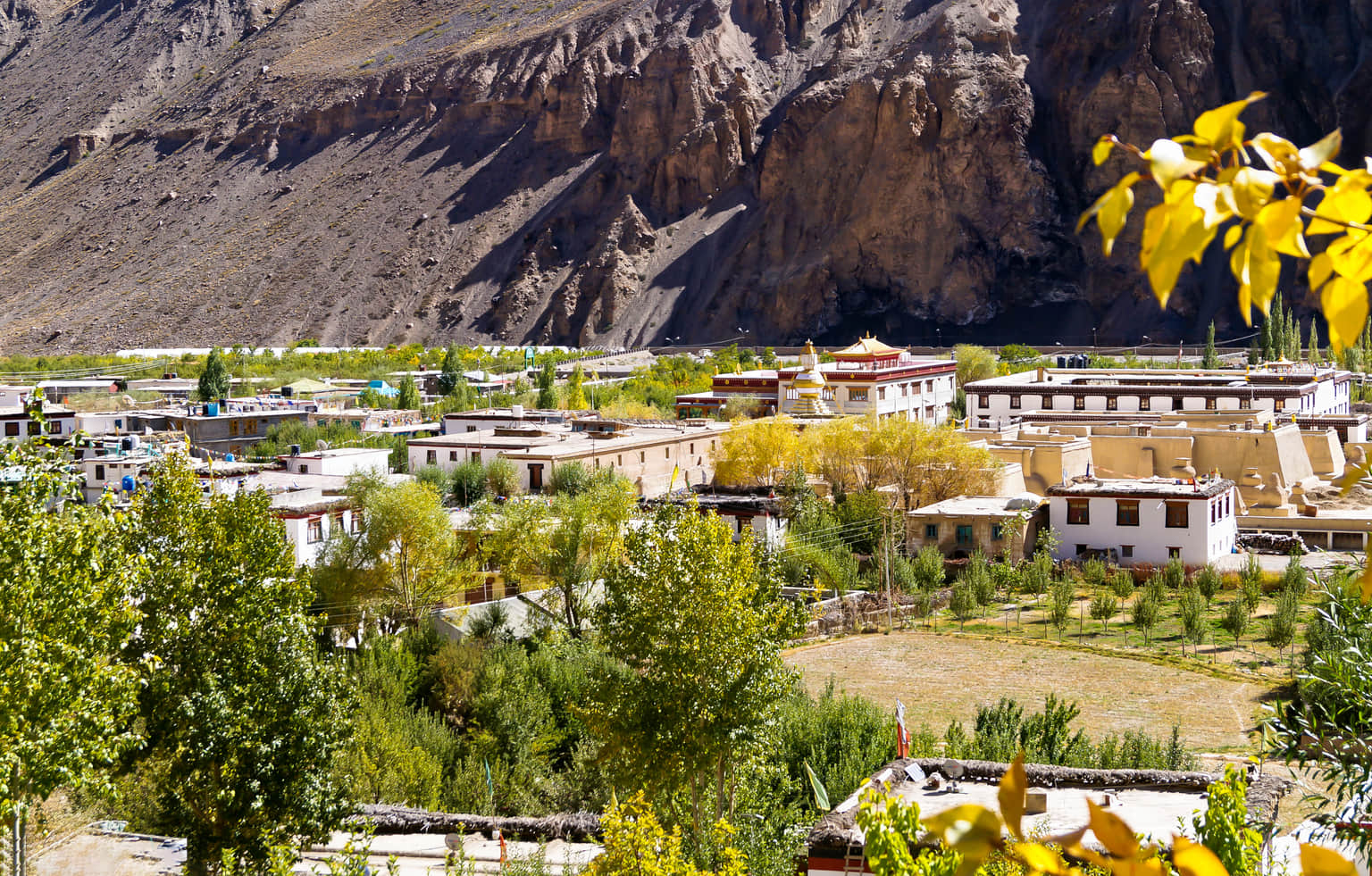
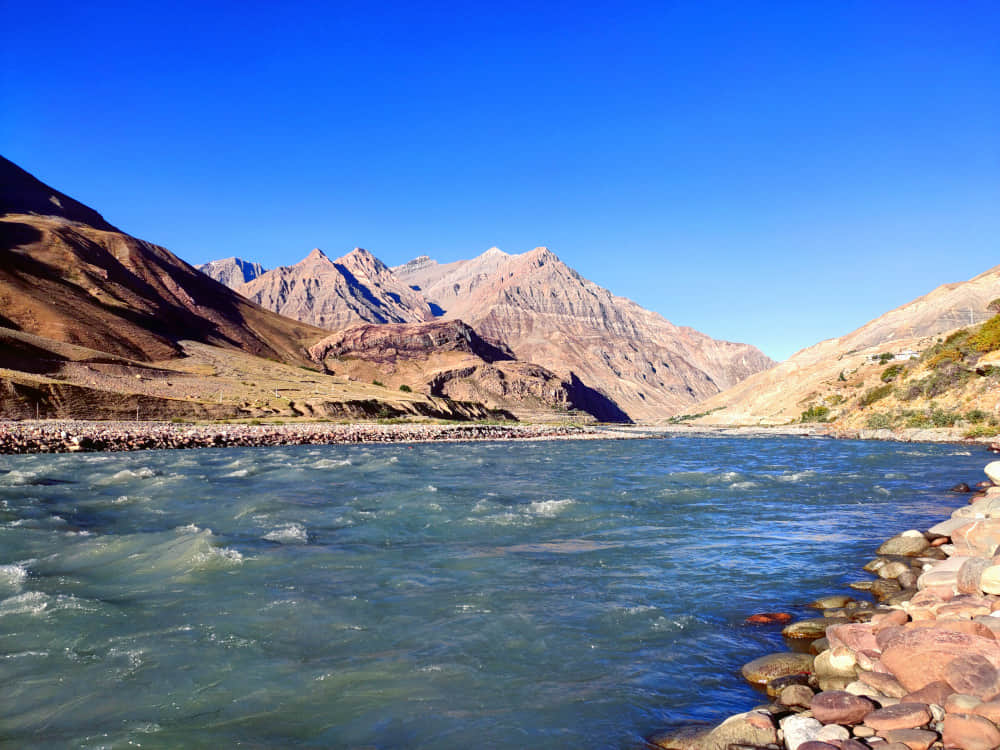
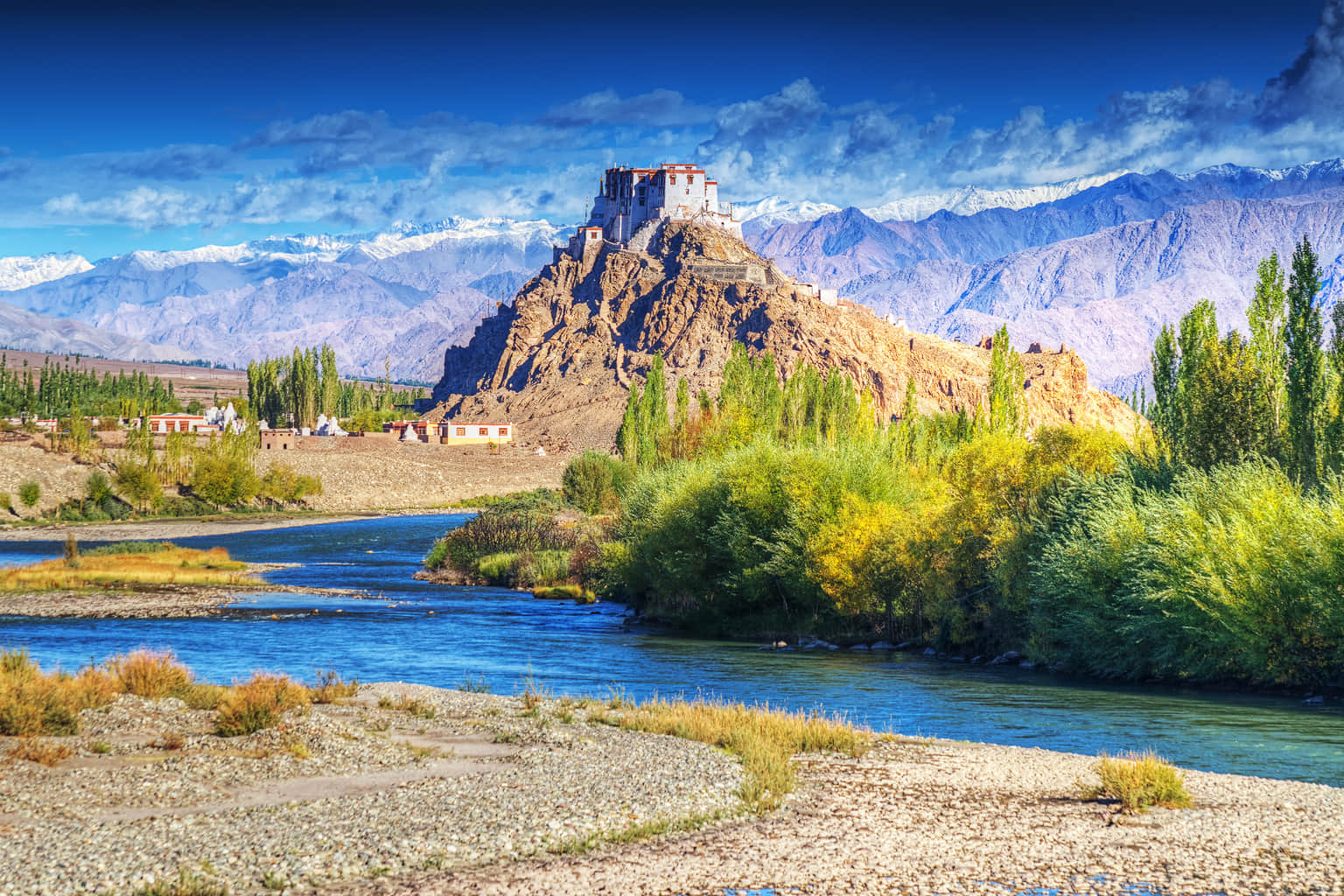
The monastery is located at an elevation of 10,010 feet above sea level. Surrounded by the mountains, it stands as a contrast to the rugged desert of Spiti Valley, adding to its mystical charm. Unlike most monasteries which are situated on hilltops, Tabo sits in a flat, bowl-shaped valley. It also offers a peaceful sanctuary to about 60 monks residing there. The complex is a marvel of earthen architecture, with structures made from mud that have stood the test of time. The Tabo Monastery is a place of worship and a centre for Buddhist learning. It is here where you can witness festivals like the Chakhar Festival, which showcases traditional Chham dances. Its historical significance, coupled with its spiritual ambience, makes Tabo Monastery a must-visit destination for seekers of knowledge and peace.

Tabo Monastery Highlights

• Marvel at the ancient murals of Tabo Monastery that showcase Buddhist tales with vibrant colours and intricate details.
• Witness the serene beauty of the monastery's architecture, standing out with its golden top amidst the desert landscapes of Spiti Valley.
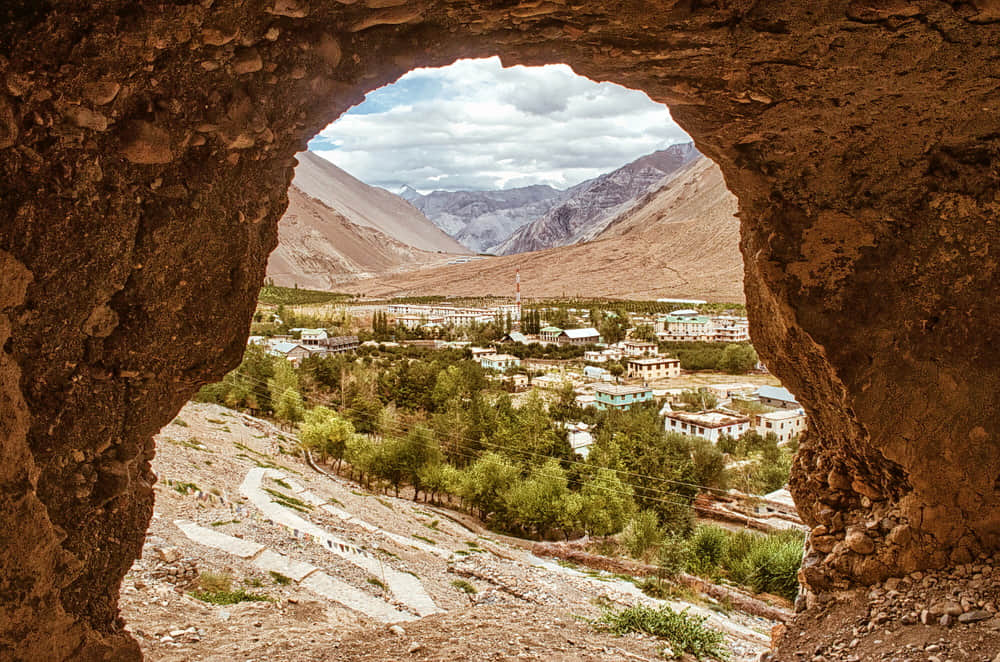
• Explore the caves above the monastery and witness monks meditating here, gaining a unique glimpse into their lives.
• Participate in the Chakhar Festival and witness the traditional Chham dance performances, get to know about the rich cultural heritage of the region.
• Visit the assembly hall to see the grand statue of Vairocana Buddha, surrounded by exquisite frescoes and sculptures, depicting stories of Tibetan-Indian Buddhism.

How To Reach Tabo Monastery


There is no direct train or air connectivity from Tabo Monastery. One has to break down his trip into parts to make his way to the Tabo Monastery.

1. Traveling by Bus: Reckong Peo bus stand is the nearest major bus stand that provides intercity buses. There is a distance of 150 Kms that one has to travel from Reckong Peo to Tabo. From there it is a walk to the Tabo Monastery. The frequency of the buses is quite low so you have to be on time as the one and the only bus starts at 6:30 am.

2. Driving your own way from Major cities nearby: Travelling from Manali, you have to cover a stretch of 250 Kms which may take about 5 hours while from Shimla it is a drive of 377 Kms which will consume 10 hours of your time.

3. Reaching by Train: Dehradun (DDN) is the nearest Railway station that provides intercity trains. Also, Shimla Railway Station (JDNX) is the closest local train station with a limited train option.

4. Coming by Flight: Chandigarh Airport (IXC) is the major closest airport. Another nearby airport is Bhuntar Airport (KUU) with limited local flights availability.

Best Time To Visit Tabo Monastery


If you are planning your visit to this ancient monastery, avoid months from January to April as the temperature will vary from 2 Degree Celsius to 14 Degree Celsius between these months and most of the routes are closed due to heavy snowfall. During this time even the locals do not prefer to step out of their homes and make themselves comfortable in their warm houses only.

The tourist season will begin from May onwards and goes on till October. However, one should avoid the monsoon month of August as the areas near the rain shadow desert of Spiti Valley receive very heavy downpours and the routes of the Himalayas get slippery and prone to landslides.

From May to October only the Spiti valley remains functional for guests, November onwards the heavy snow sets in. The ideal duration of the trip is between 7 to 8 days.

Tabo Monastery Essential Information


1. Tabo Monastery Location:
Tabo, Himachal Pradesh 172113, precisely on the top of Tabo village on the left bank of the Spiti river.

2. Timings of Monastery:
 Morning chants begin at 6 am and monastery closes down at 7 pm in the evening. This happens every single day of the week.

Architecture of Tabo Monastery


Back in 996 A.D in the Tibetan year of the Fire Ape, this huge monastery was founded by the Tibetan Buddhist lotsawa Rinchen Zhangpo on behalf of the king of the western Himalayan Kingdom of Guge,  Yeshe-O. The amazing architecture of Tabo Monastery now holds four beautifully crafted stupas, nine temples. The architecture also includes 23 chortens, a monk's chamber, and cave shrines.

Its architecture is primarily divided into 3 parts including the Main temple, Older & Newer temples and Stupas. Built-in 996 A.D the paintings belong to the 10th -11
th century for the main temple, 13th -14th Century for Stupas and 15th -20th century for the rest of the temple. The monastery is having a huge collection of manuscripts and Parmana texts, recorded between 1991 and 1998. Heree, you can find a mix of non-urban and regional characteristics that belong to India and Central Asia.

This perfect blend was made by Yeshe-O and his two sons while they were building the monastery back in 996 A.D.
The traditional taste of non-Buddhist tradition originated from the protection deity Wi-nyu-min. The entire Vajradhatu Mandala (Vairocana in his 4-faced, 8-armed form sitting over this mandala of Vajradhatu) is precisely represented in the Main Temple.

Tabo Monastery Temple Complex


The Temple Complex basically has the Main Temple, Older Temples, Newer Temples, Stupas and Fittings. Newer temples have the temple of Enlightened gods, The Golden Temple, The Mystic Temple, The Temple of Dormton and The Bodhisattva Maitreya Temple.

The other share of Older temples includes The Large Temple of Dormton, The Mahakala Vajra Bhairava Temple, The Chamber of Picture Treasures and The White Temple.
The main temple (Tsug La Khang) includes an entry hall, assembly hall, and a recessed area which has a shrine area.

The Assembly hall is having a traditional deity, The Vajradhatu Mandala, while the shrine area holds three huge life-sized structures and a figure of Lord Buddha seated on a throne with 2 lions facing each other. In newer temples, the Temple of Dromton is the biggest after the assembly hall. In the boundaries of the temple complex, there are many stupas containing 4 paintings on the inner side.

Its frescoes and stucco paintings are the reason it is called “Ajanta of the Himalayas”, which also favors the bond between Indian and Tibetan cultures. On almost every wall you can spot the end number of thangkas (scroll paintings), preserved statues, murals, frescos, and manuscripts. There used to be 32 medallions on the wall before the 1975 earthquake.


History of Tabo Monastery Temple


Tabo Monastery will take you a millennium back in 996 A.D when it was built by the Buddhist King Yesho-O, which was later renovated by the royal priest, Jangchub O’d, the 2
nd generation of Yesho-O. Initially, Tabo monastery was built as a “daughter” monastery of the Tholing Monastery in Nagri, western Tibet. This royal dynasty was majorly responsible for spreading Buddhism in Tibetan History and was keen on re-introduction of Indian Mahayana Buddhism in Tibet.

The contribution was so huge that it’s been documented in writing on the walls of Tabo Monastery.
During the 17th – 19th centuries, the monastery and bridge across the Spiti River went through historical events and political trouble in the area. In the modern era, during the year 1975, the monastery was heavily damaged due to the Kinnaur Earthquake which was later the monastery was restored by the 14th Dalai Lama.

The monastery is a historic treasure as its roots are from a millennium back. Considering the same it is protected by the government under Archaeological Survey of India.Tabo Monastery is a divine place for monks as it has a rich past regarding the knowledge this place has to offer. Kyabje Serkong Rinpoche served as the Head Lama who become the Abbot of Tabo Monastery since 1975, was responsible for taking care of the monastery and monks, teaching Buddhist scriptures and being certain about the local community is living happily as well.

Tips for Visiting Tabo Monastery


Here are some of the tips which can be helpful while exploring the corners of Tabo Monastery:

- Apart from the Monastery guest house, you can get yourself a comfortable stay at Dekit Norphel Tiger Den Restaurant. Staying at this calm and cozy place may cost you between INR 400-500 per night for two people. You can find basic facilities like hot water, dining, etc. there.

- Try and connect with the monks while you are inside the monastery as they can give you a real insight into the architecture and wall paintings made there.

- Kindly restrict yourself before clicking photos inside the monastery as photography is not allowed inside the monastery.

- Visit the monastery before 5:30 pm in the evening as they shut post that.

- Make sure to not litter in the town as it will destroy the natural beauty.

- Always carry a layer of clothes along with a windproof jacket and woolens as you will observe a sudden drop in the temperature which goes below the freezing point.

- While driving, try not to honk while you are there in Tabo as people might be sleeping in the caves.

- Try to attend a festival at the Tabo Monastery, you will get to see monks performing the traditional Chham dance.

Thrillophilia

Why Choose Thrillophilia?

3 Million+

Happy customers from 70+ countries all around.

4.8/5

Rated across Trip Advisor and Google reviews.

Curated With Love

Special curated Indian itineraries built for Indians.

24/7 Assistance

Always there to help before and during trips.

Tabo Monastery FAQs

Tabo Monastery Reviews

4.4

From 12 verified visits

5
6
4
5
3
1
2
0
1
0
Akshainie Kaniyar19 Jun 2018
5.0
Booked: Chandratal and Spiti Jeep Safari

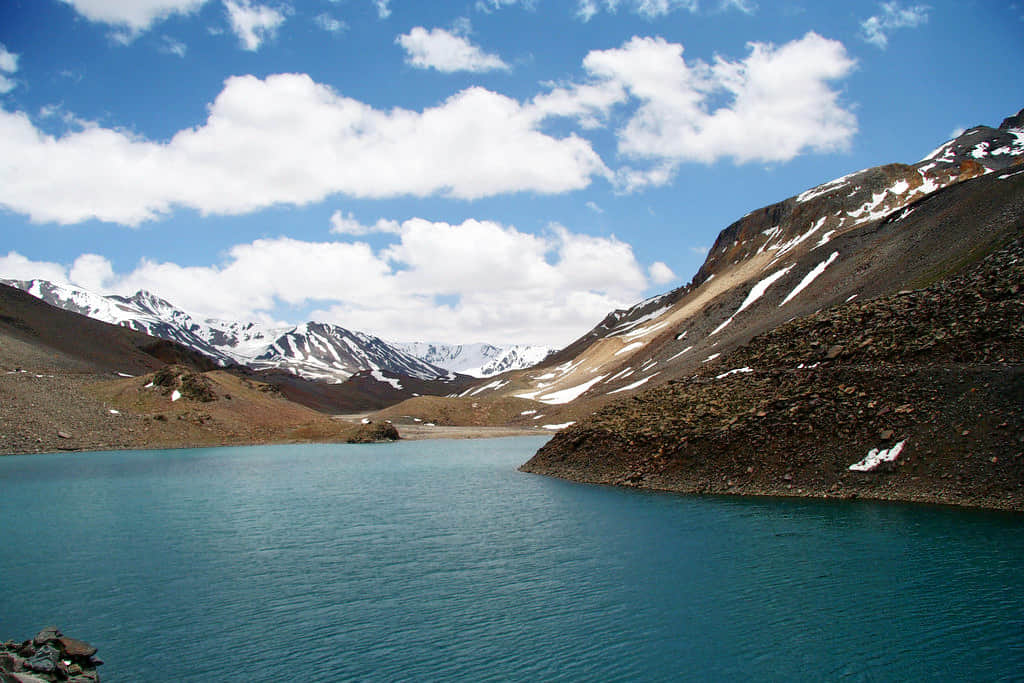
The lake is so out of the world, never thought I would be visiting something as magical as this. All thanks to the platform Thrillophilia.

Smriti Bandopadhyay19 Jun 2018
5.0
Booked: Chandratal and Spiti Jeep Safari

We arrived at Manali around 6 or 7 in the morning and after we had chai and bun maska in a tiny stall at the bus stand, we called the representative who was supposed to attend us. When we called he seemed to be busy somewhere because he did not receive the call. Minutes later, we got a call from him, when we told him that we have arrived he came to the stand. Although it was early morning and he informed that the check into our guest house was later in the day, the representative did not leave us hanging he suggested some temples and riverside hang out points to visit while he is making the arrangements and kill the buffer time. We were happy to see him make arrangements and not just put us away. The next day we embarked on the much-awaited Spiti jeep safari and it was one of the best journeys in Himachal I have ever done. Great initiatives by team. Thanks.

Sarisha Chaturvedi19 Jun 2018
5.0
Booked: Chandratal and Spiti Jeep Safari

Like most of the bikers and travelers, I also wanted to do the Spiti and Chandratal tour on a bike but I kept waiting and my friends made the bookings to this deal. I was not very convinced that I wanted to take jeep safari instead of a bike ride but I went anyway. And I can not describe how equally adventurous it is to be crossing umpteenth number of waterfalls and driving your wheels on river beds. It is one experience to be done with friends. There were turns and patches on the road where we screamed our lungs out. This is one safari which feels like a roller coaster ride with magical landscapes. Great tour operators were guiding at all points. Knew all about the lands and terrains. Love it!

Kartik Khanna19 Jun 2018
5.0
Booked: Chandratal and Spiti Jeep Safari

I loved my trip to the beautiful Chandratal and I am planning to come back here with my friends again. I started solo from Delhi and got bored in Manali, just wanted to do something adventurous and searched online. I first thought of rafting but then I got this deal on Thrillophilia and felt like trying. As lucky as I can be, there was the availability of seats in the safari leaving the next day and I got one. I made friends, clicked pictures, took pit stops at several waterfalls. Interacted with a bunch of strangers, fellow travelers around the Bonfire, laughed and talked. Such an amazing place for night photography. All in all, big thanks to Thrillophilia for accommodating last minute and making fine arrangements. Recommended!

Karan Iyengar19 Jun 2018
5.0
Booked: Chandratal and Spiti Jeep Safari

This deal was my dream ride to Spiti valley and I am so happy that it met my expectation. The Spiti jeep safari showed me high mountain pass, ravishing river and river beds, gorgeous waterfalls on almost every turn, and the famous moon Lake- Chandratal. The deal is so well-priced and planned. The visit to the high altitude moon lake explores a divine side of the Himachal. Loved it fully!

Agneya Chaturvedi19 Jun 2018
5.0
Booked: Chandratal and Spiti Jeep Safari

The moon lake is a wonder, so beautiful, so still and captivating. I am glad I took this deal, it is totally worth paying such a minimal amount of having a jeep safari on the bumpy roads and the deadly turns and accommodation with delish food. I cherish my time at the camp near Chandratal.

Popular Related Attractions