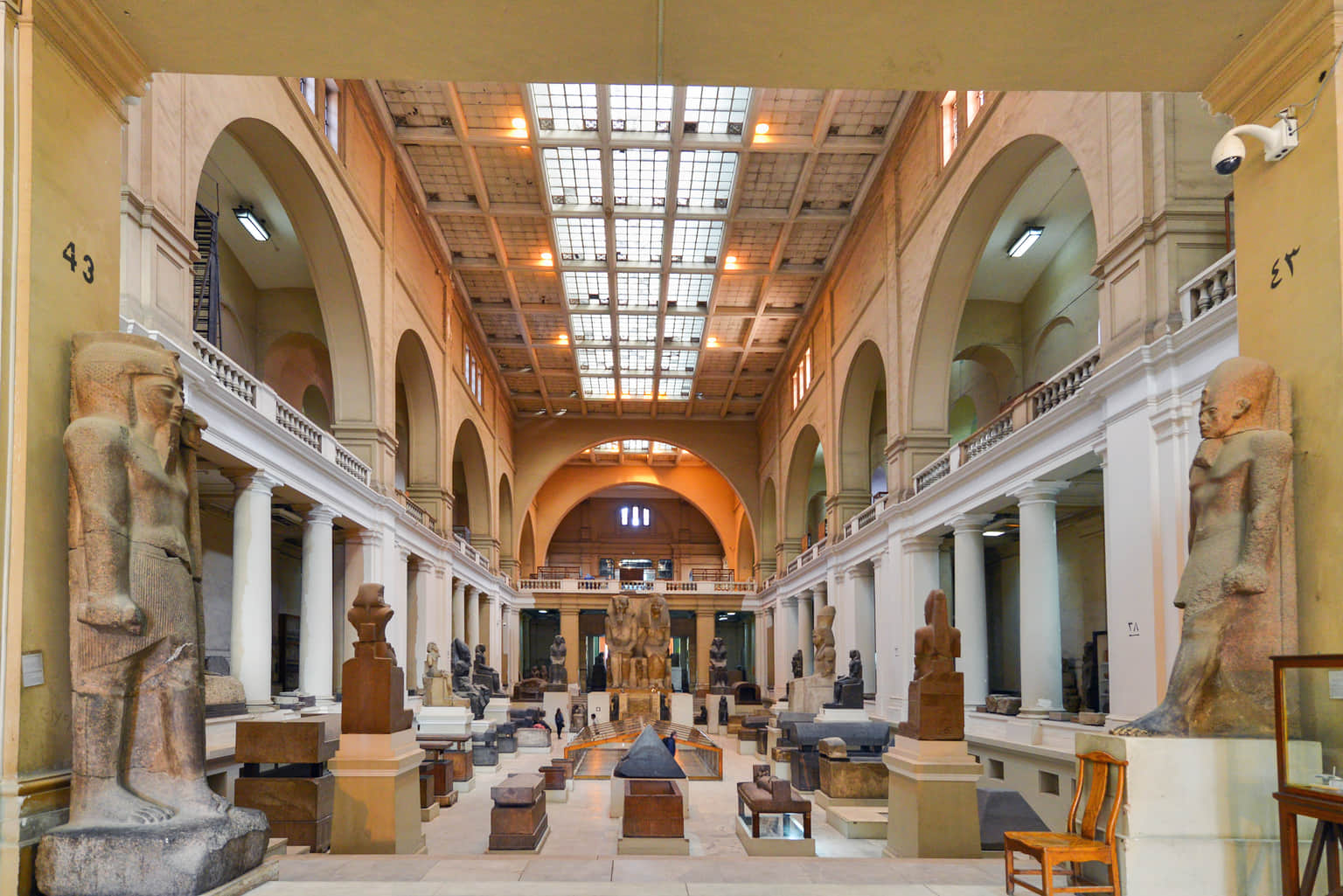
The Egyptian Museum, Cairo
About The Egyptian Museum
The Egyptian Museum Highlights

Why Choose Thrillophilia?
3 Million+
Happy customers from 70+ countries all around.
4.8/5
Rated across Trip Advisor and Google reviews.
Curated With Love
Special curated Indian itineraries built for Indians.
24/7 Assistance
Always there to help before and during trips.

Point of Interest for The Egyptian Museum
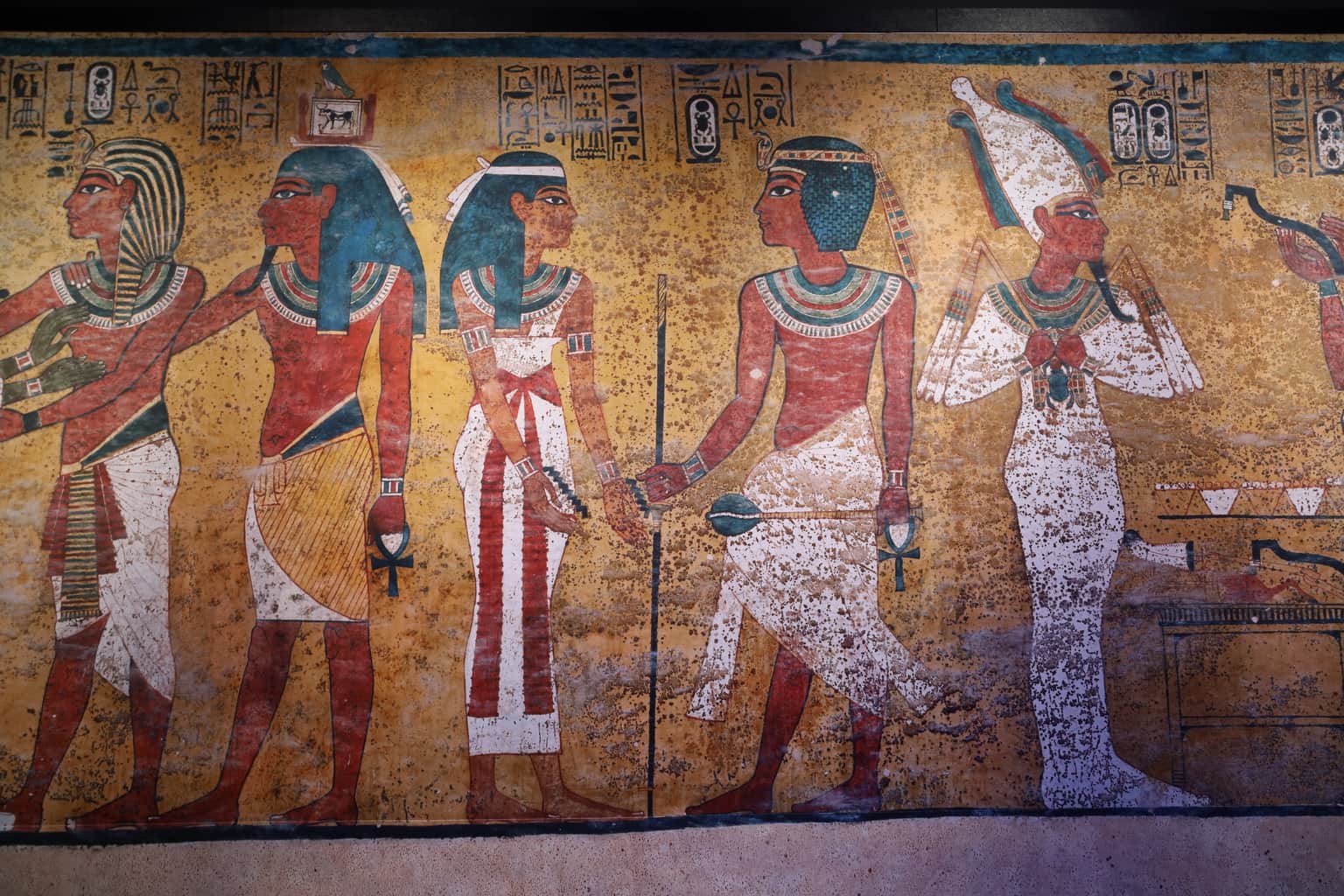
Tomb of Tutankhamun
This is the most famous attraction of the museum which can be found in a dark room on the second floor. The mask dates back to the 8th century and is made of two layers of gold. A protective spell from the Book of the Dead is inscribed on the shoulders of the mask. This extravagant funerary mask was discovered by Howard Carter in 1925 in tomb KV62 in the Valley of the Kings and weighs more than 10 kg.
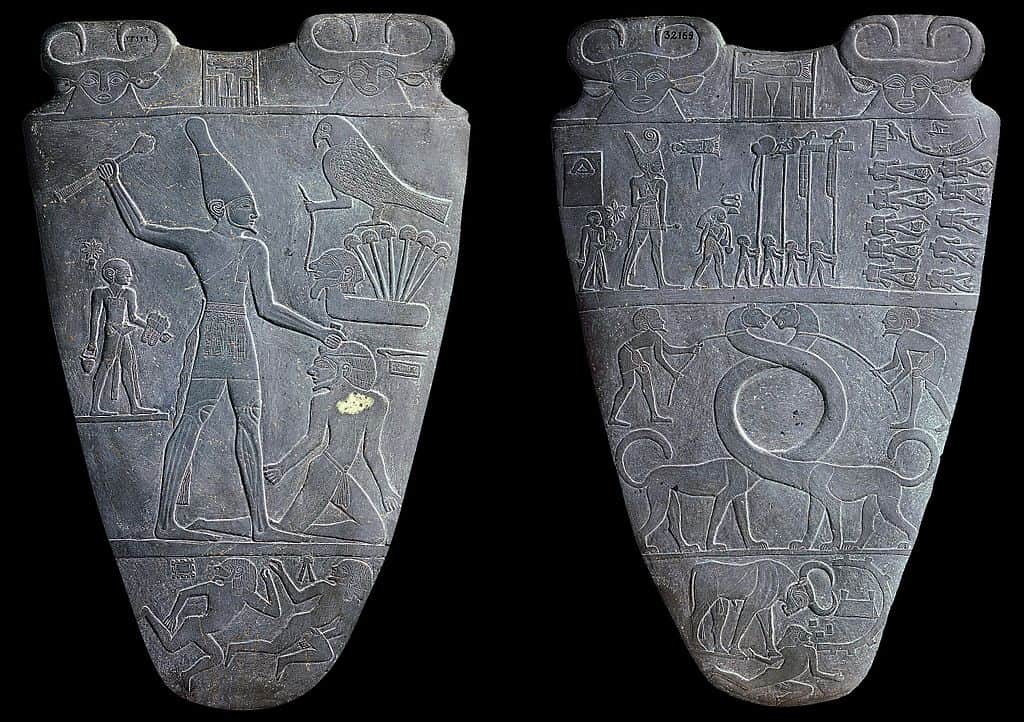
Narmer Palette (Old Kingdom)
This is an ancient cosmetic palette which was used to make cosmetic pastes for God statues. The ingredients were ground on this palette to powder or paste form. The palette has inscriptions that tell how Upper and Lower Egypt was unified by King Narmer with precision to detail. Hence it is considered to be the first historical document in the world. This masterpiece is from the 31st century BC and can be found on the Ground floor, gallery 43.
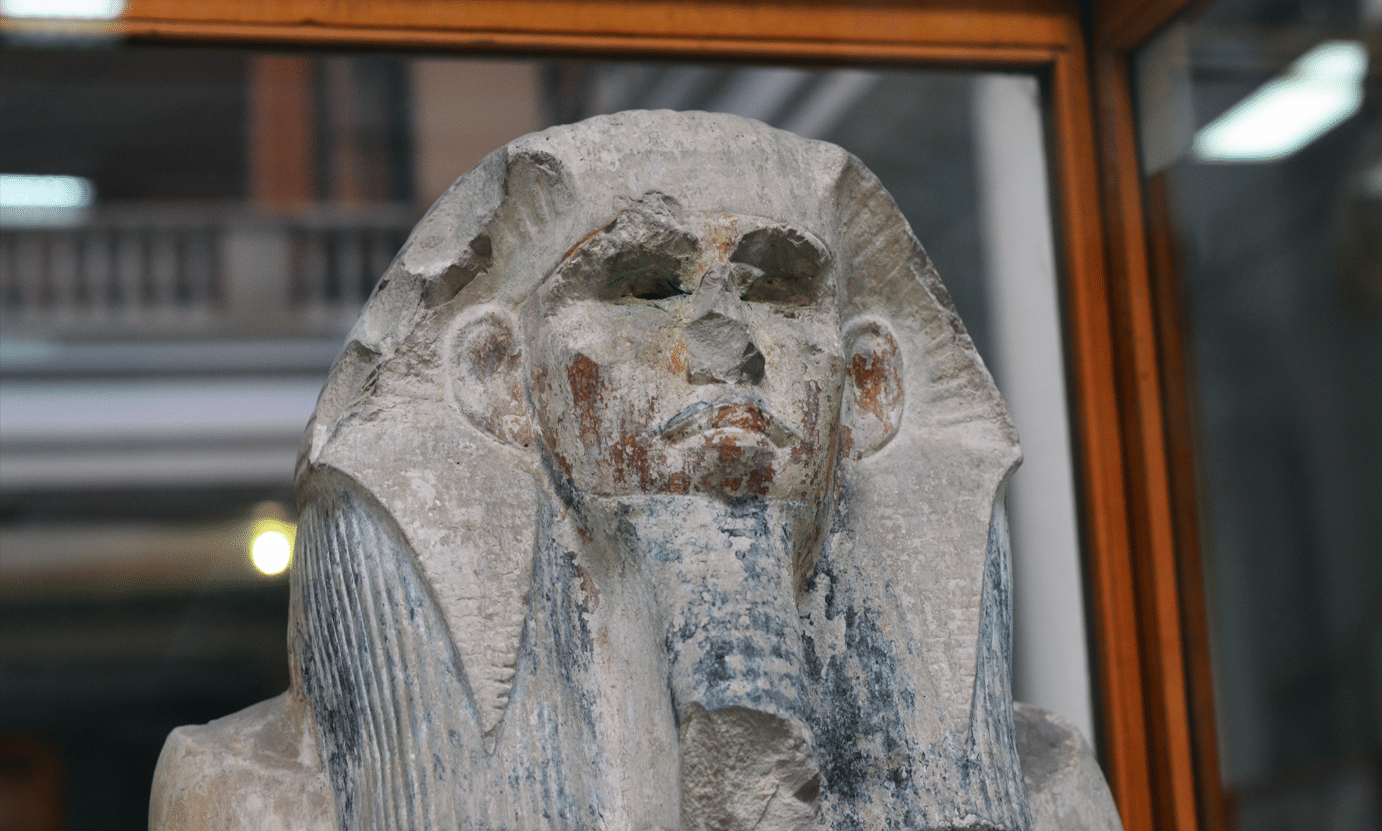
Statue of Djoser (Old Kingdom)
This limestone statue of King Djoser is one of the oldest life-sized Egyptian statues found so far. King Djoser is a 3rd dynasty ruler. A huge statue of him was discovered in a serdab and the statue depicts Djsoser wearing a long robe. One can see a moustache painted on the upper lips of the statue. The statue's eyes once had semi-precious stones in them. You can find this statue on the ground floor, gallery 48 of the museum.
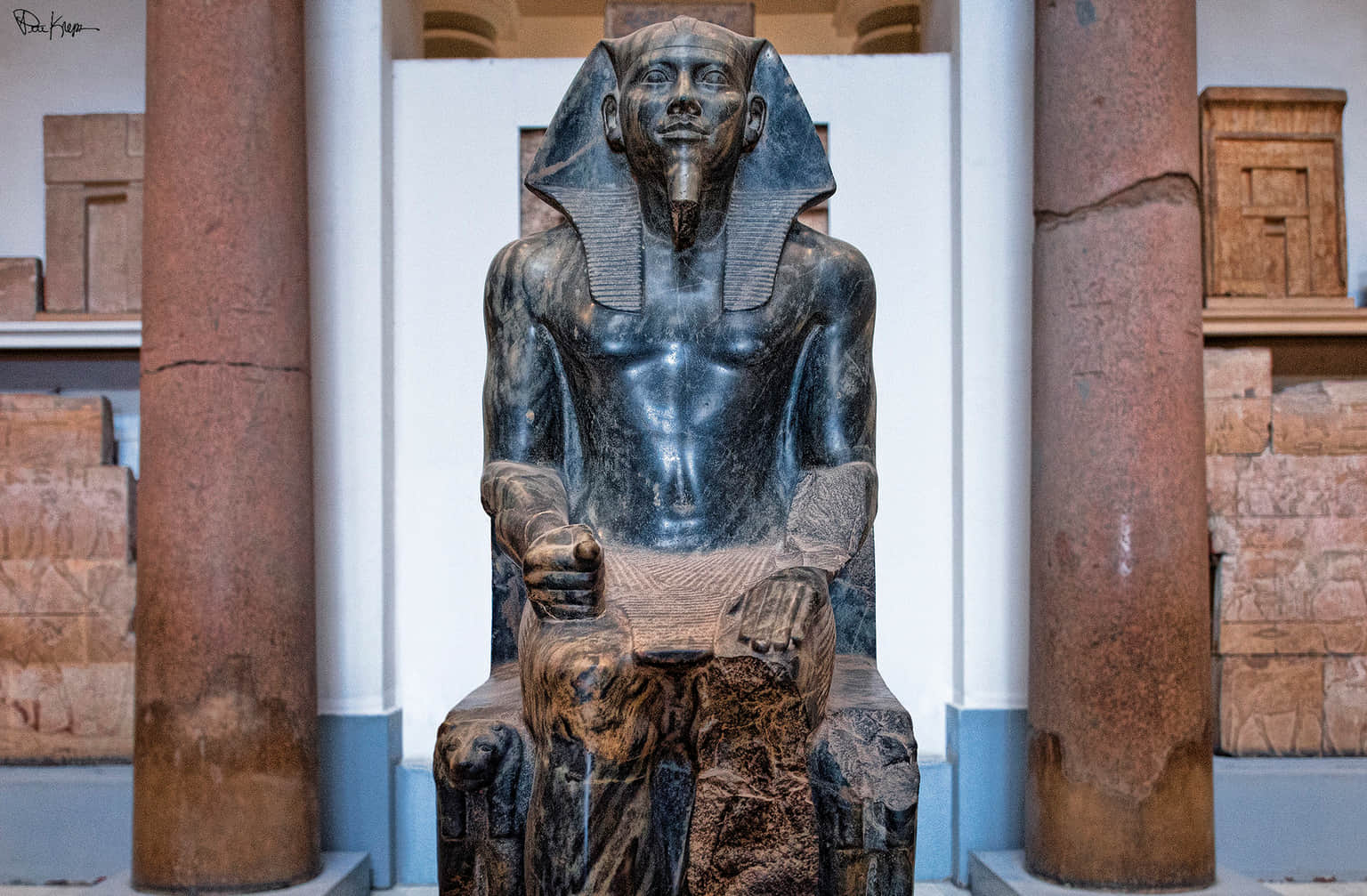
Statue of Khafre
Khafre is the king who built the second-largest pyramid in Giza and the Sphinx. The statue is made of a hard diorite dark stone which symbolises his valour. This amazing statue shows him sitting on a throne decked with majestic lions, lotus and papyrus plants. The falcon god Horus is visible only from the sides of the statue. You can find this statue on the ground floor, room 42 of the museum.
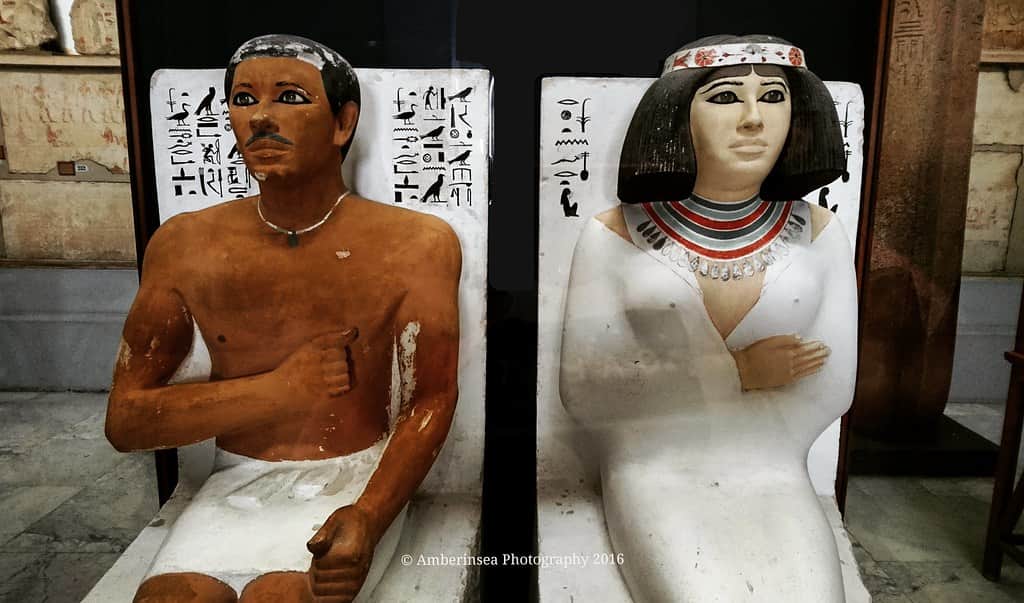
Statue of Rahotep and Nofret
This statue shows Prince Rohotep and his wife Nofret at a young age. The statue is made from limestone and is life-sized. You can see Rohe Top wearing an amulet and Nofret wearing a wig in the statue. The eyes of the statues have rock crystal which gives both a realistic and strange appearance to the statue. You can find this statue on the ground floor, room 32 of the museum.
Popular Related Attractions

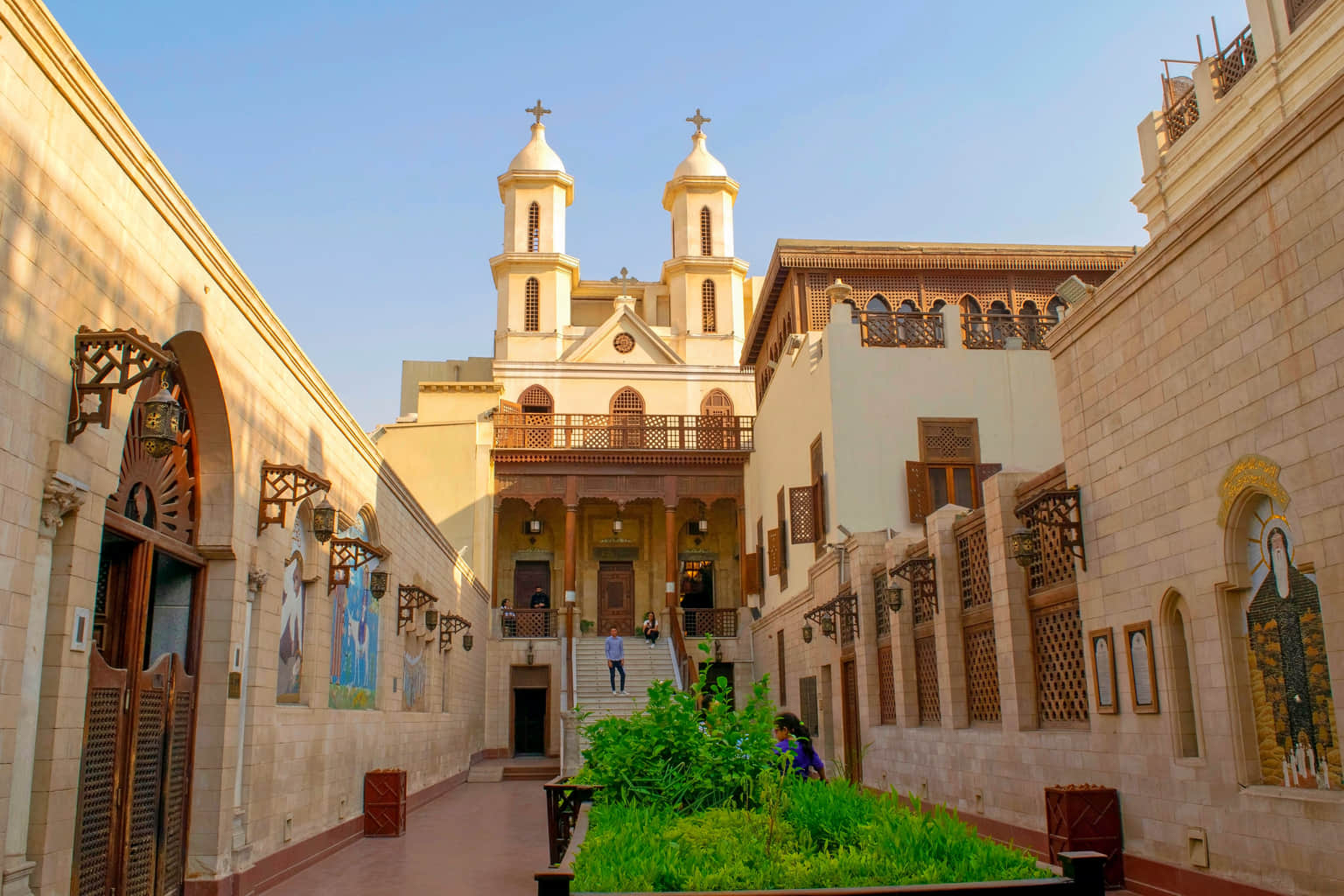
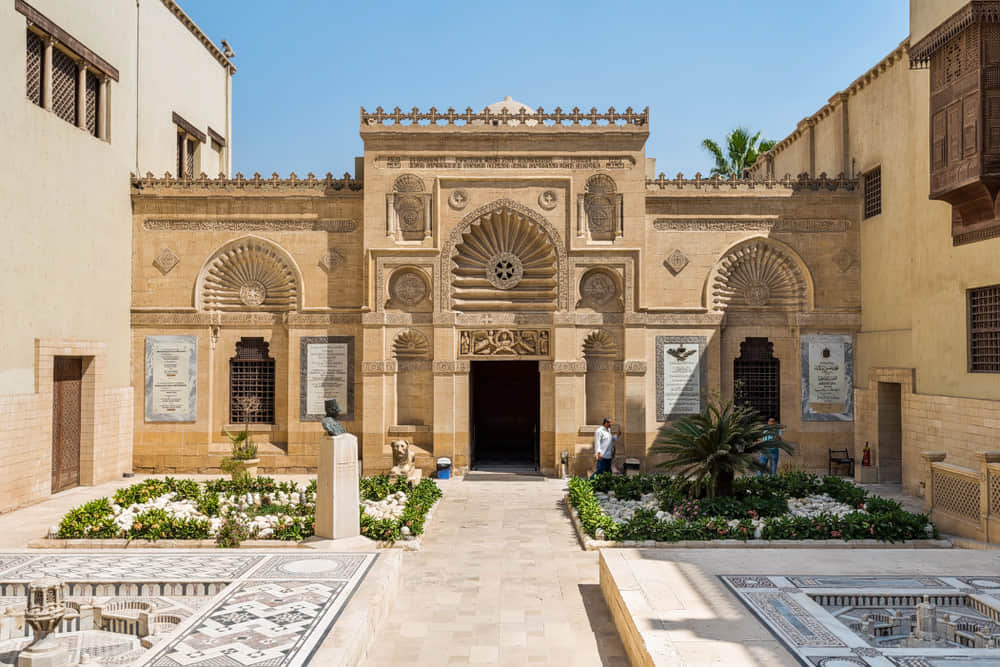
.jpg?w=1536&q=65&format=auto)





More Things to Do in Cairo
Quick links to everything else worth a slot on a longer stay.