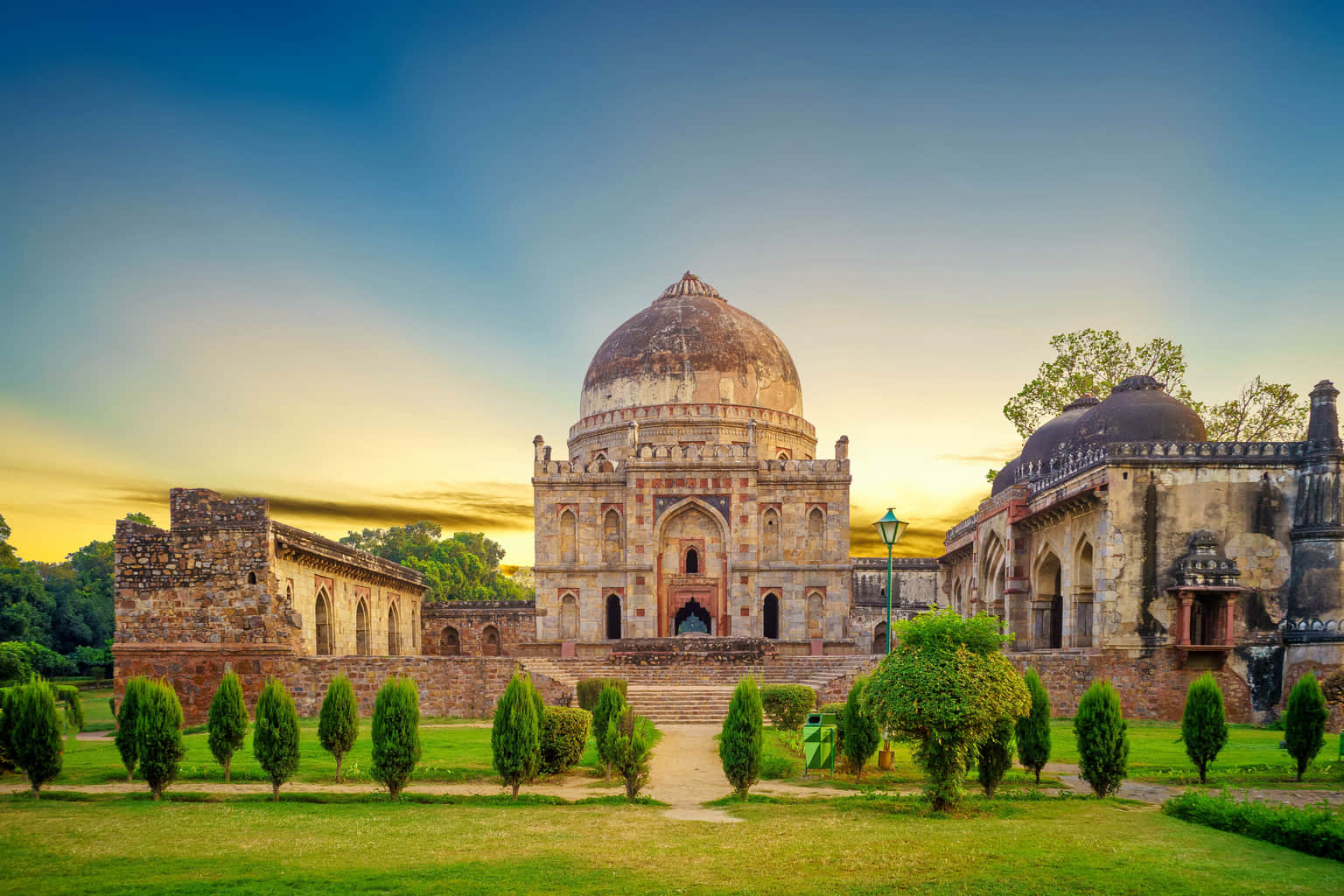
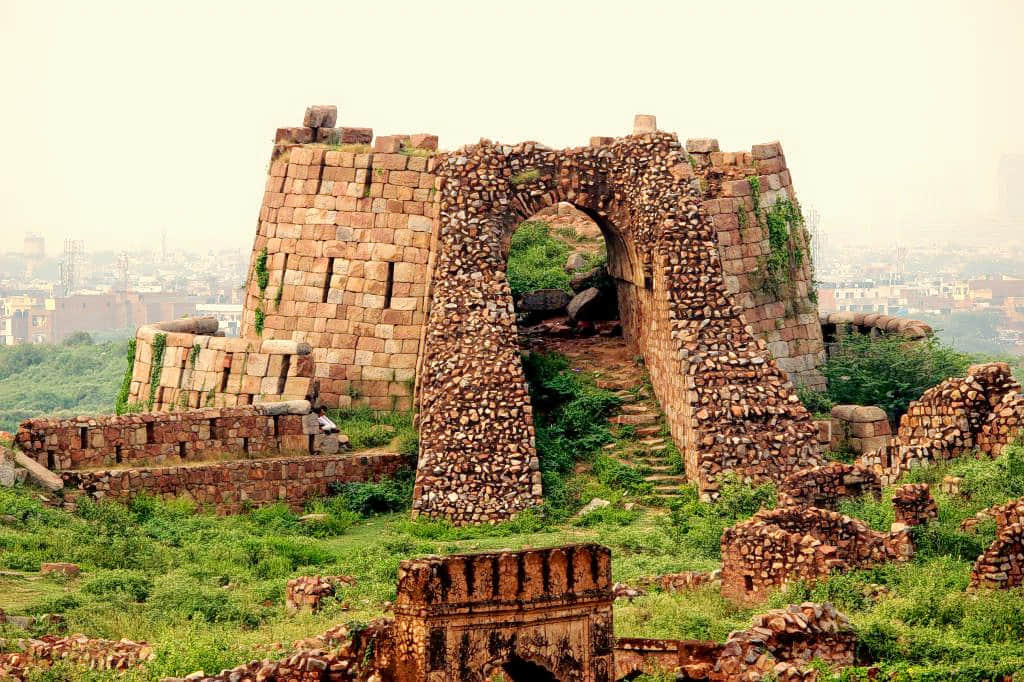
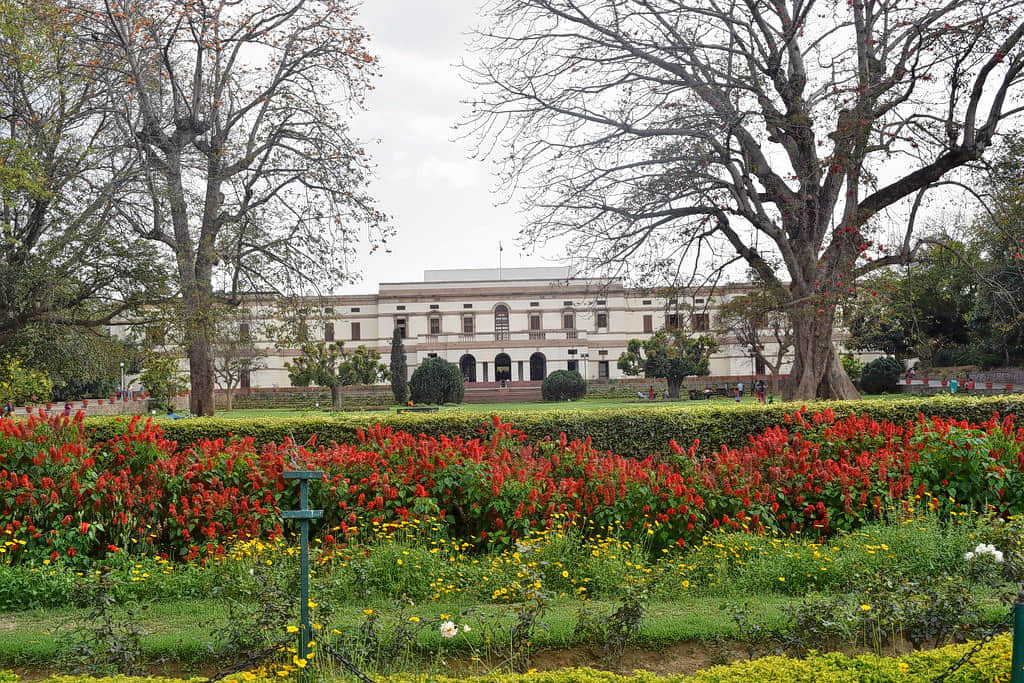
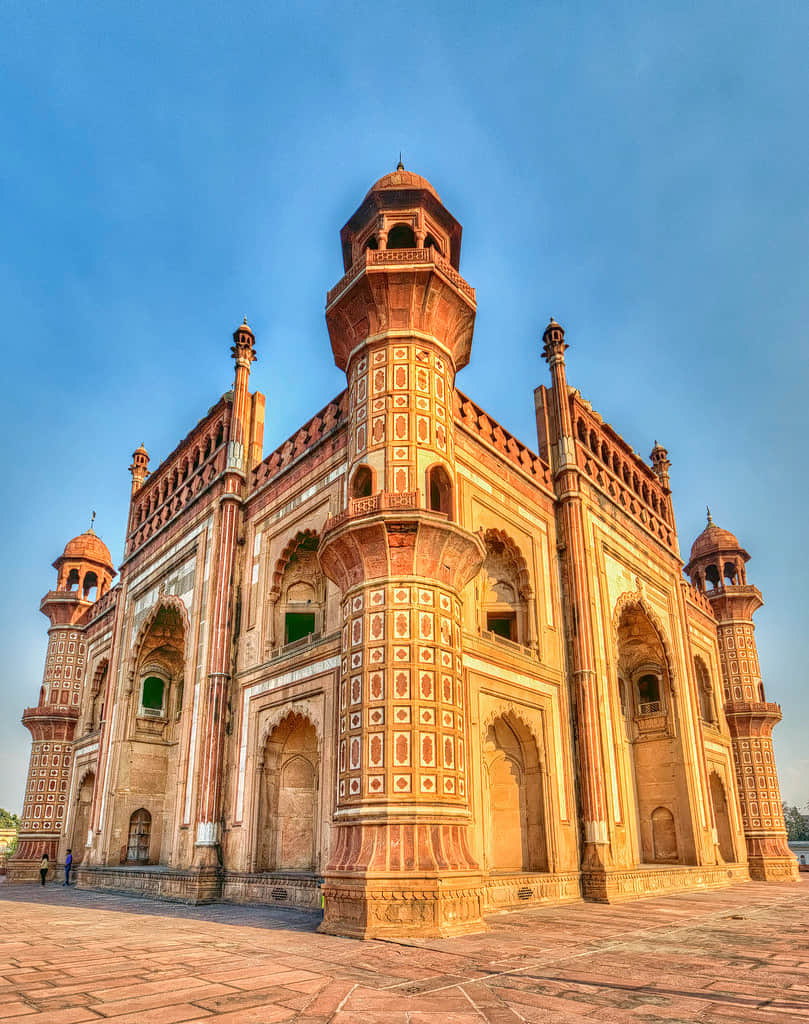
Symbolizing the national, historical, and architectural values, Lodhi Garden is a favourite getaway of Delhiites. Originally named after the wife of the British Resident, Lady Willingdon, the garden was the capital’s loveliest escape. Today, it has developed into a lush, tree-shaded garden with captivating monuments and plantation.
The beauty of Lodhi Garden lies significantly in its architectural styles. The park consists of a few notable historical structures – tombs, lake, Athpula - an eight pillared bridge, and much more. Also, you will come across a well-crafted glass garden to see the wonders of bonsai park and rose garden. These fascinating plants blossoms and lights up in the morning.
It offers both educational and entertainment activities where you and your family can learn about the prehistoric era and the fearless story behind it. From local joggers to tourists, Delhi’s jewel is an epitome of historical beauty.
Tourists are bound to see stunning dome-shaped edifices, find a perfect picnic spot, and admire carved Indo-Islamic architectural style. It is a wonderful mix of nature, culture, history, and fun-frolic.
After exploring Lodhi Garden, you can head out to the other attractions situated in the Lodhi estate. From the Khan market to the Safdarjung Tomb, this area is filled with a variety of choices. Or, if you are an art fanatic, you can visit India Habitat Centre as well.
There would never be a dearth of activities in and around Lodhi Garden. A complete blend of history and nature; be sure to check out the Delhi’s jewel, Lodhi Garden in the city.
History of Lodhi Garden:

Lodhi Garden traces its history back to the 14th and 15th centuries by the Sayyid and Lodhi rulers. After the Lodhi dynasty and the Delhi Sultanate came to an end in 1526, invading Emperor Babur established Mughal rule in India. Although, there was no impression left on the Lodhi Garden.
Afterwards, the British Colonial government developed Lodhi Garden in 1936 and was designed by the wife of the then Governor-General of India, Lady Willingdon. In 1968, the garden underwent a makeover by American landscape architect Garrett Eckbo and architect Joseph Allen Stein. The makeover included the addition of a glasshouse, a lake, and installation of a bonsai park and rose garden.
The Architecture of Lodhi Garden:

The architecture of Mohammed Shah’s mausoleum features Islamic and Hindu styles. It consists of a huge central dome and eight chhatris. The eight small domed structures are beautified with a lotus finial and ornate pinnacles at the corners. It forms as an octagonal chamber and it is a sight to behold.
Surprisingly, the mausoleum of Sikander Lodi draws revelation from Mohammed Shah’s tomb. Its architecture is defined by the Indo-Islamic style. The structure consists of the same octagonal design along with a central dome, minus the chhatris. It boasts of Mughal architecture design on the walls and you can enter the tomb through a domed pathway.
The architecture of Lodhi Garden is a complete blend of different styles of architecture and small details in the carving. Spread over almost 90 acres, the garden was designed by architect Garrett Eckbo and architect Allen Stein. They established a glasshouse in the garden, a lake with a fountain which further leads to the addition of a bonsai park and rose garden.