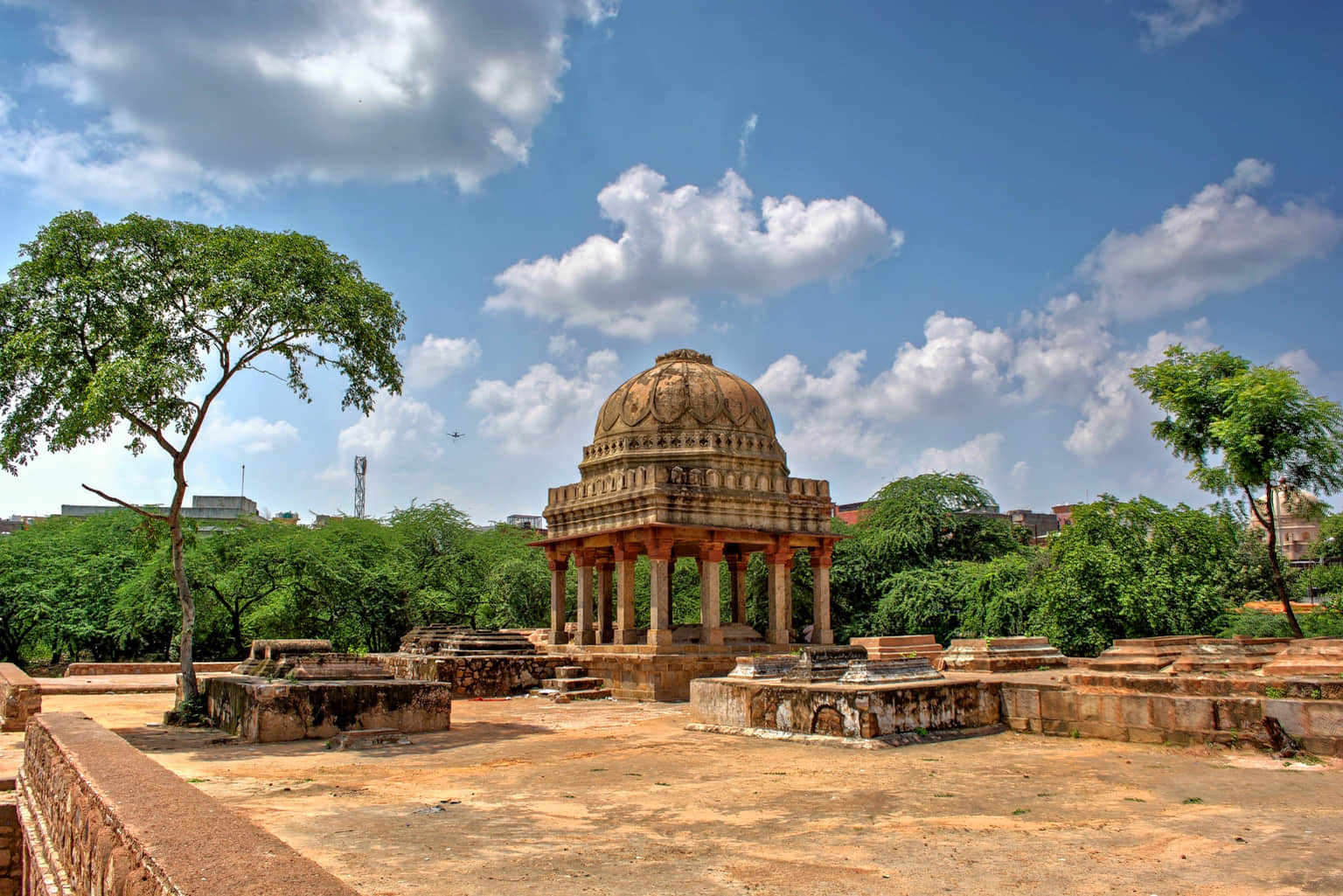
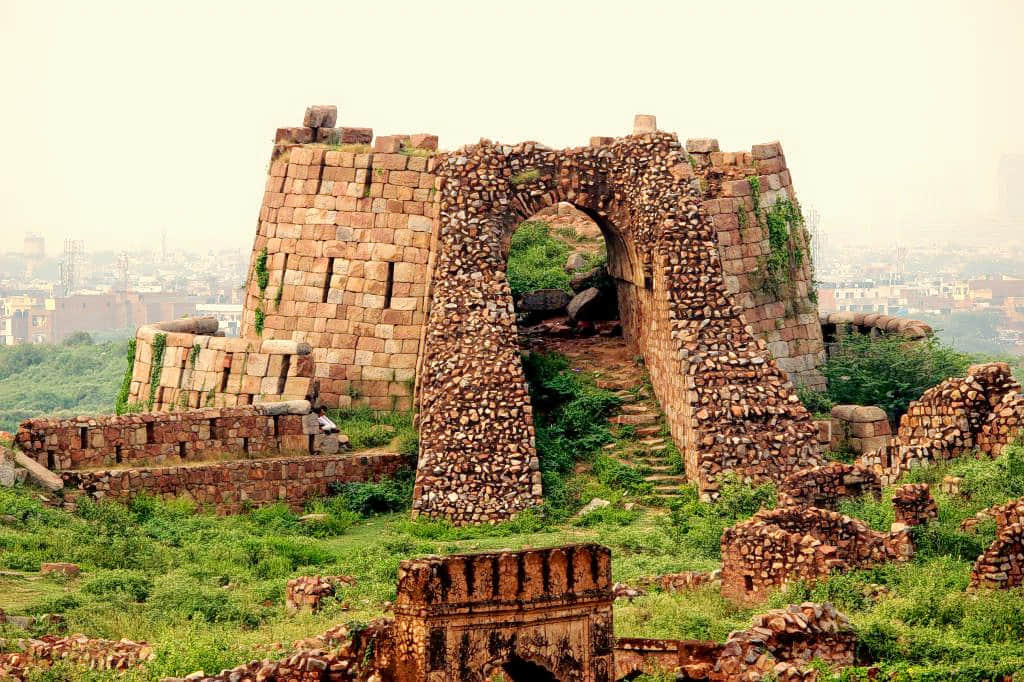
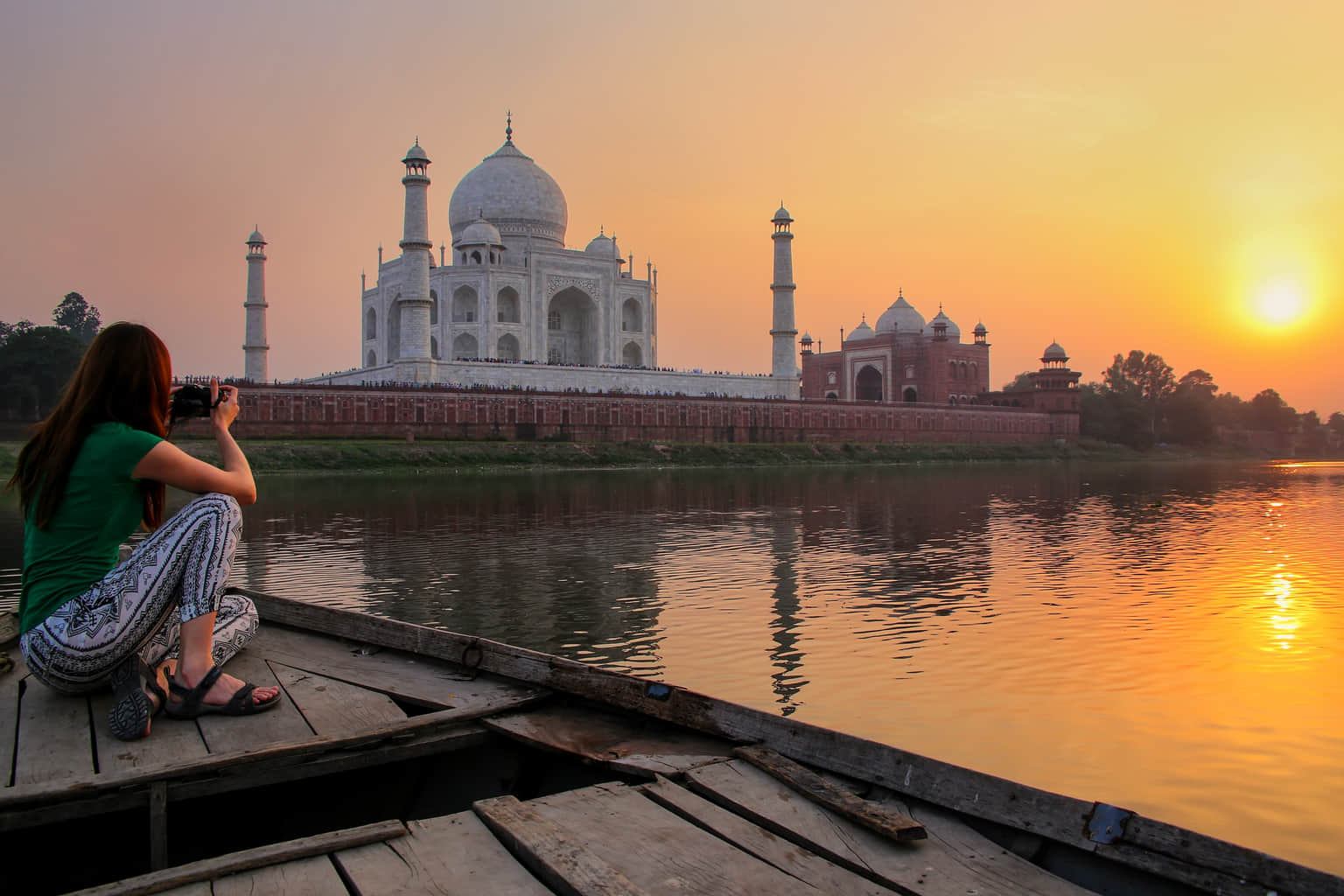
Located in the national capital of India, the Mehrauli Archaeological Park is an important historical site covering over 200 sq km area. The park is most famous for being the only area in Delhi to have 1000 regular years of occupation. Holding one of the highest cultural distinction in Delhi, the park is home to the worn-out tombs of many significant historical figures including Balban, Quli Khan, and Sufi poet Jamali. The archaeological park is also famous for housing the stepwell, 'Rajon ki Baoli'.
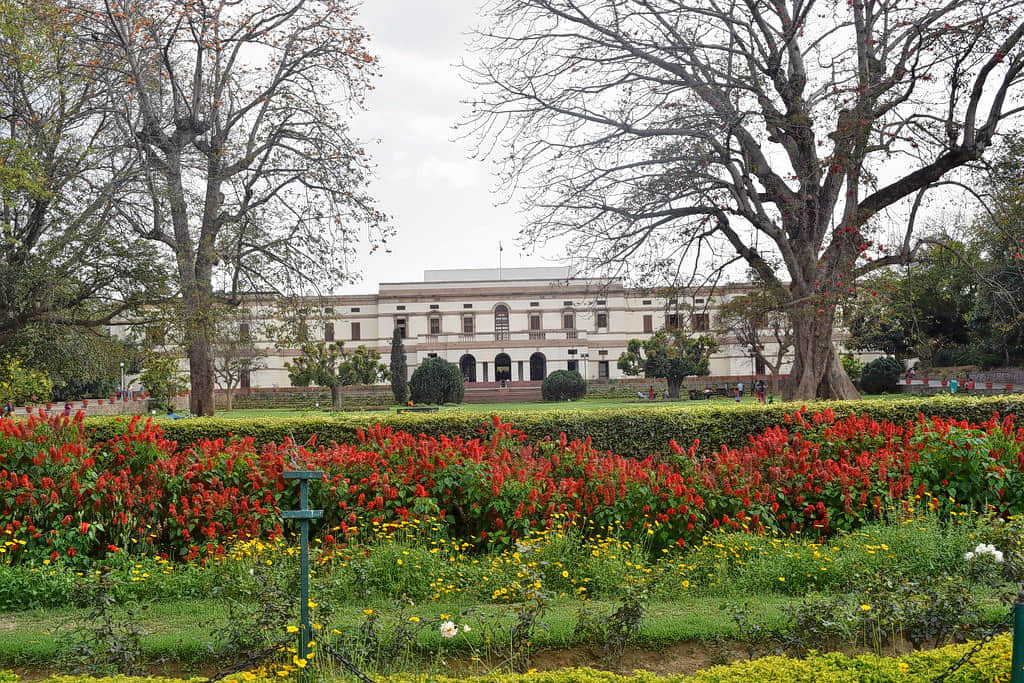
Along with being packed with the most prized relics of the medieval era, the park is home to numerous plants and trees that add to its natural charm. To the delight of bird watchers, several rare aviary creatures also dwell in the branches of the park's trees. In the heart of these trees is a beautiful lake that offers a mesmerizing view of the sunset.
Mehrauli Archaeological Park proves to be an excellent source of recreation for people of all ages. The educational aspect of ancient ravaged monuments entices young minds while the organic beauty of several gardens crowded with thick rose bushes bewitches the adults. Bustling with school expeditions and family picnics on the busiest of days, the park brims with a sense of an inexplicable nostalgia. Regardless of what part you decide to explore, you are met with a wave of history and heritage. A subtle reminder of ancient art and medieval culture, the Mehrauli Archaeological Park is no less than a paradise for every history enthusiast.
The Architecture of Mehrauli Archaeological Park

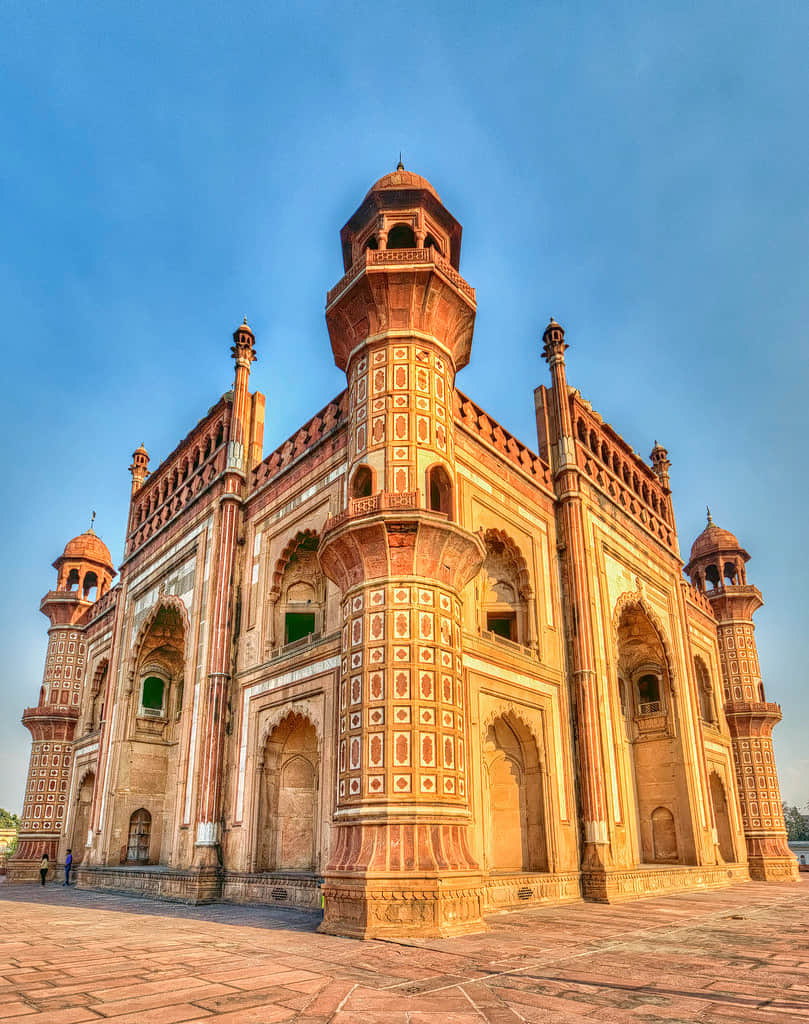
The Mehrauli Archaeological Park located right in front of Qutub Minar is an architectural marvel of the medieval times. Inspired by the Indo-Islamic style of architecture, the monuments of the park combines intricate stonework with elaborate masonry. Nested in the heart of the Aravali mountain range, the Mughal piece of architecture stands as proud as the mountain peaks that surround it.
Encapsulating the apparent success of architectonics of the bygone era, the heritage shrines of monument closely resonate with the national identity of the time. With a varied range of ornate carvings adorning the earthly walls, the park showcases the heterogeneous nature of the many faces of Indian society.
Spreading over an expanse of 200 acres, the park is held in high cultural regard as it hosts more than 100 unique ancient relics. Along with being a hub of famous graves and tombs, the park abounds with several mosques, gardens, lakes and other historic structures.
Hosting several wells, step wells, sulphur wells, barracks and gateways, this archaeological marvel is often referred to as a people's architecture. With functional underground aquifers controlling the water supply, the site was prominently constructed as a village to be inhabited by a civilisation.