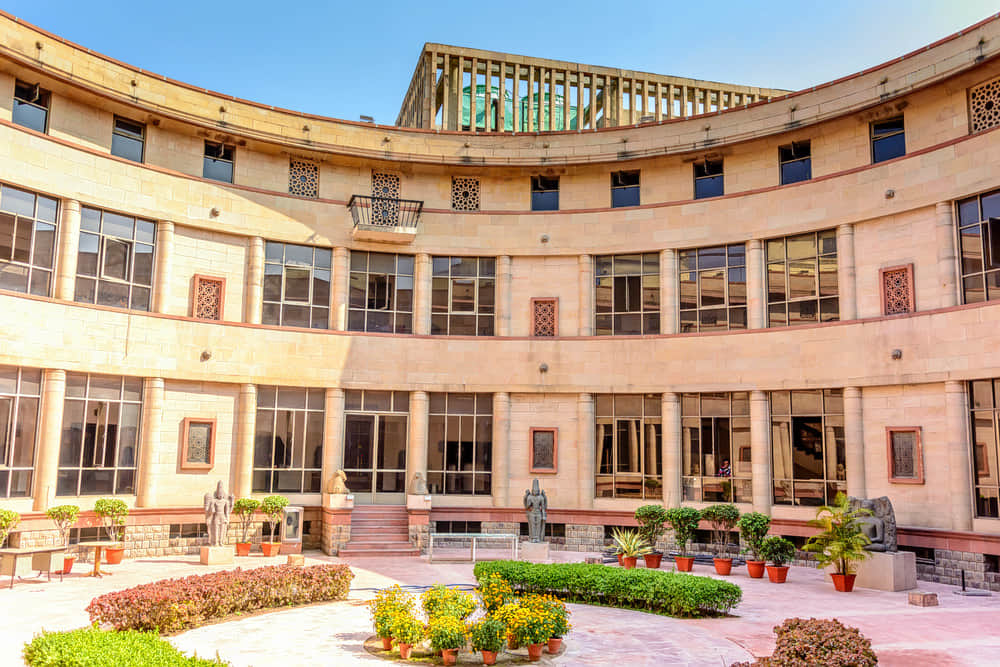
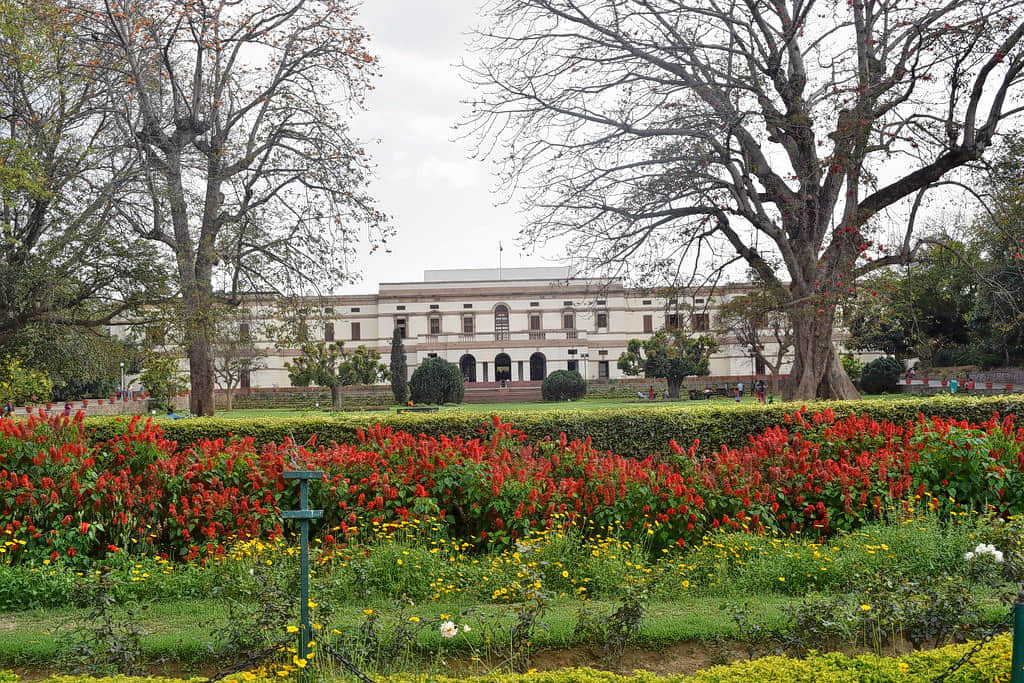
The National Museum or National Museum of India in New Delhi is one of the largest museums in India. Situated on Janpath Road, the museum is a hotspot for people who are indulged in art, culture, and history. After granting the appointment from the Government in India, in 1946 the Maurice Gwyer Committee laid the foundation stone of the National Museum. The National Museum of India was completed and inaugurated on 15th August 1949. This marvel functions under the Ministry of Culture of the Government of India.
The museum houses more than 2,00,000 artifacts of Indian and International origin. The works of art and culture displayed here are said to be over 5,000 years old. Some artifacts belong to the ancient civilization of Harappa. Tourists from all over the globe visit the museum not only to see the wonders of ancient civilizations but also to witness the culture of various nations through the various paintings, statues and sculptures that are here.
The National Museum of Delhi operates with a full-fledged list of various departments, viz.
1. Archaeology
2. Arms & Armour
3. Central Asian Antiquities
4. Anthropology
5. Manuscripts
6. Paintings
7. And many other departments.
The various departments hold artifacts that represent the glorious and rich past of the civilizations and also reflects the diverse ways of practicing architecture and art. The museum has a lot of knowledge to offer to the visitors who have minimal interest in history and ancient civilisations.
History of National Museum
An exhibition in 1947-48 of various Indian historical artifacts was on display in the Royal Academy of London. Taking an idea or inspiration from this, various curators from the exhibition decided to plan a similar exhibition to display artifacts from museums across India. With this, an exhibition was organized in Delhi in the Rashtrapati Bhavan in 1949. The exhibition turned out to be a very popular one and this led to the idea of establishing a permanent museum.
The construction work of the museum was given a green signal and by 1949, the National Museum of India was constructed. C Rajagopalahchari, the then Governor-General of India inaugurated the museum on 15th August 1949. The various ancient artifacts in India’s possession were out on display in the museum and the place became a center of knowledge and history.
Through the years, there were various modifications and several other constructions that took place in and around the museum. With all the advancements completed, the final phase of the museum was ready by 1989.