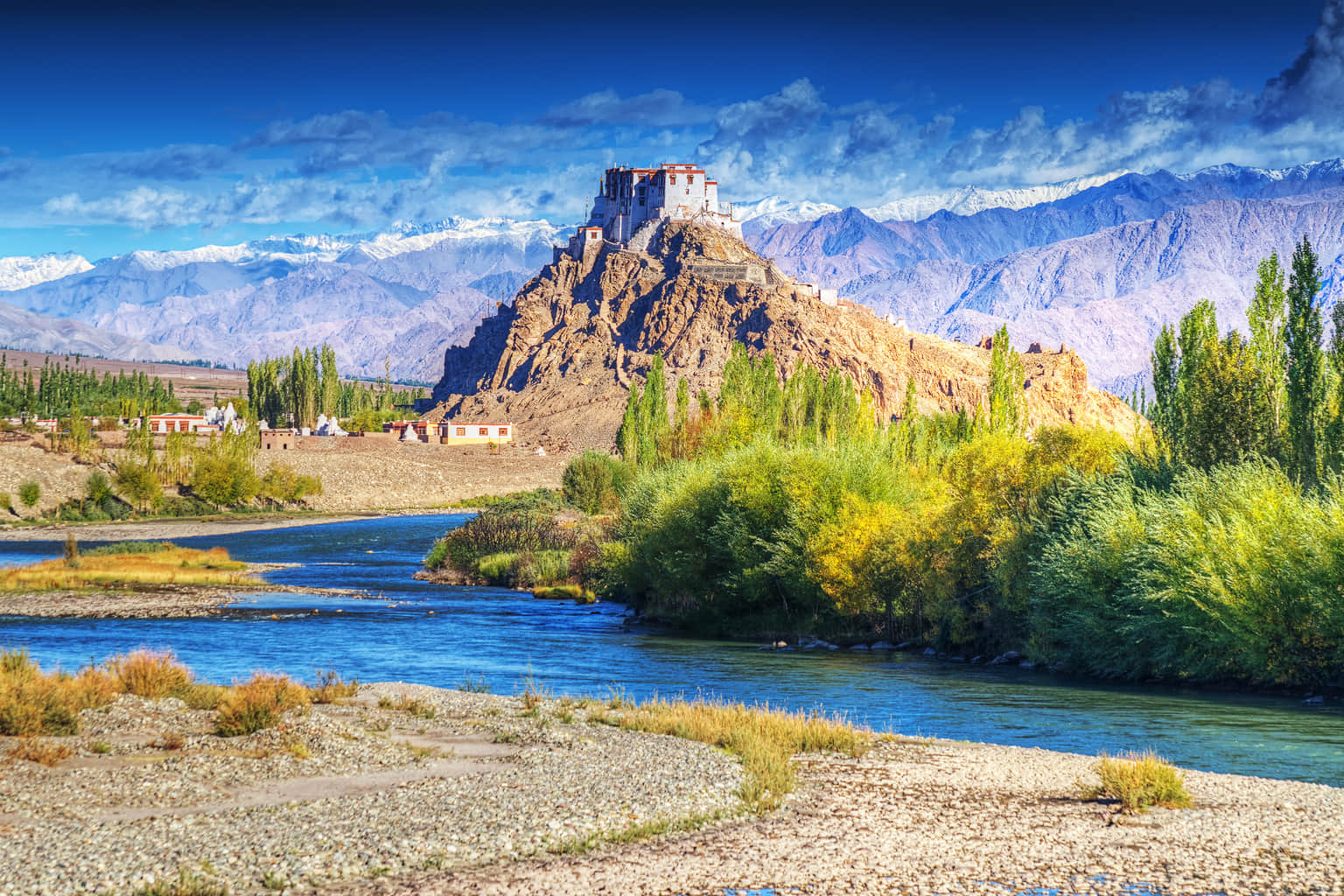
History of Basgo:
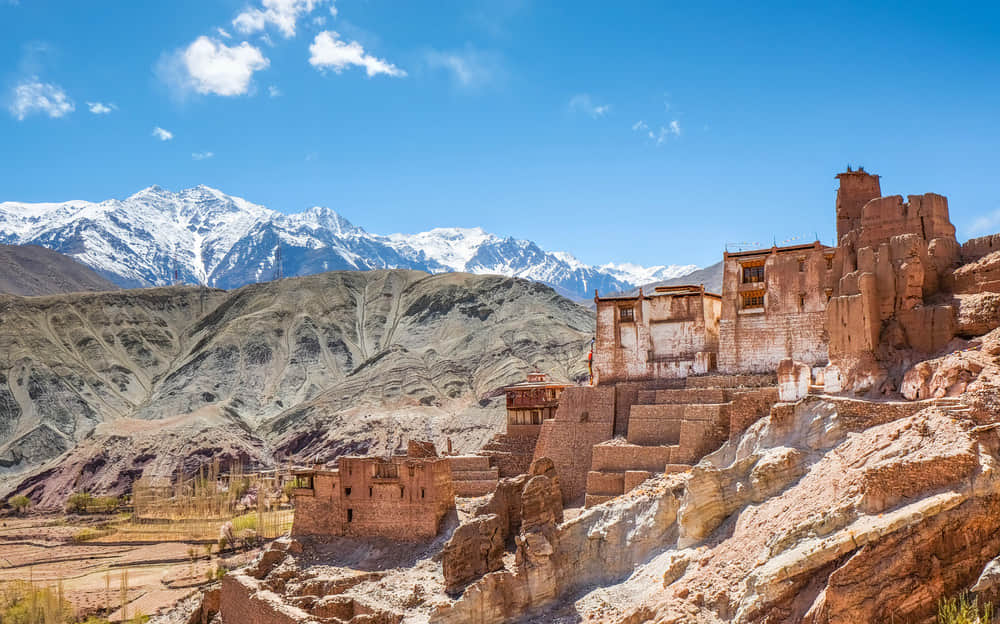
Basgo is more than a 100-year-old coveted town, which has a prominent place in history. It is a symbol of Buddhist culture, which has been practiced here for years.
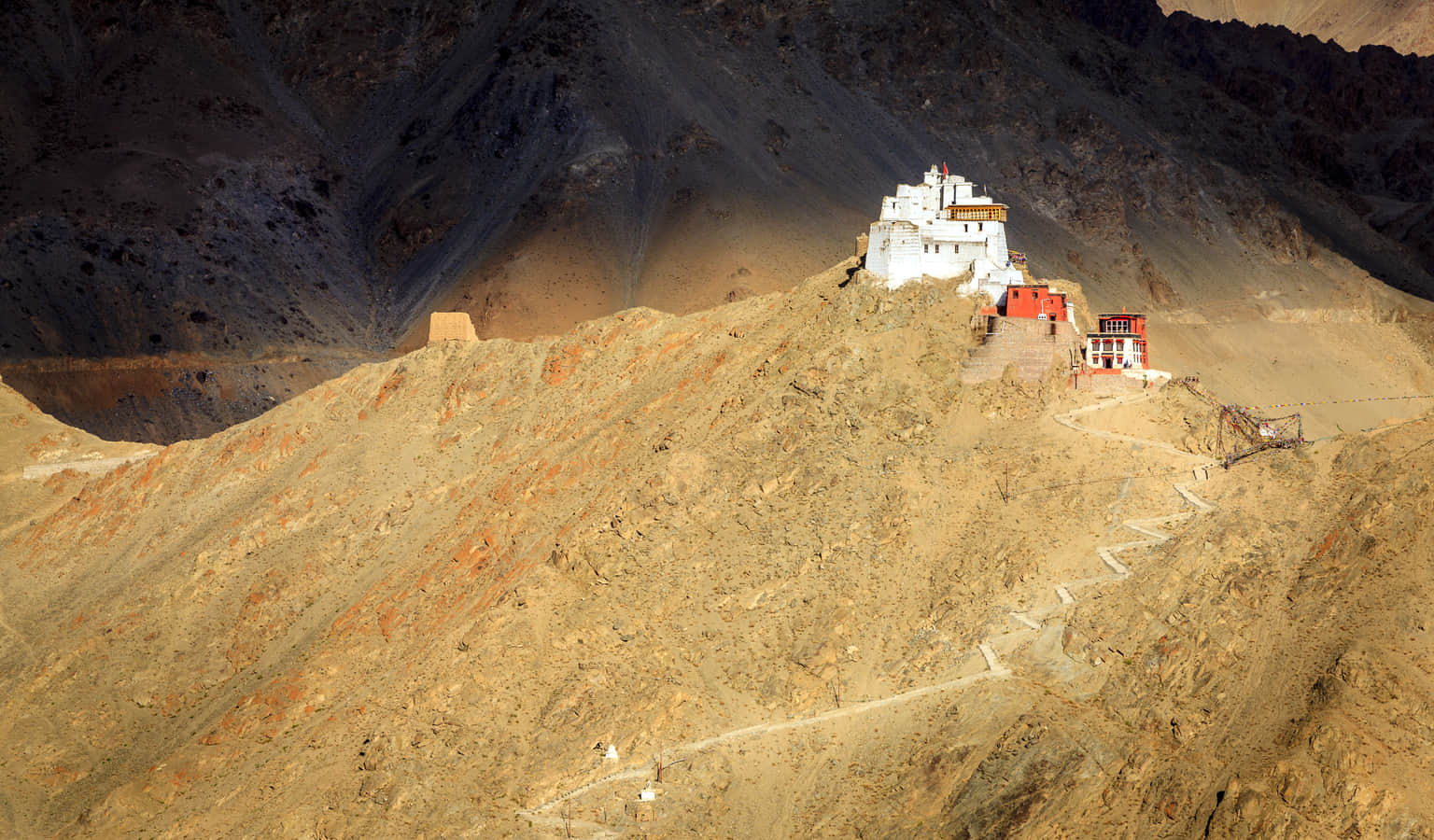
Despite the whole town of Basgo transmogrify to ruins, its monastery is in fine fettle. Basgo Khar (Fort) was made in 1680, by the then King Jamyang Namgyal as an earthen bastion to protect themselves from invaders.
During the time of Namgyal rule, Basgo was Ladakh’s capital as it had the natural fortifications to keep them safe from adversaries.
During the time of Mughals, Ladakh was consecutively attacked by Central Asian Muslim rulers and was divided into two parts, the lower and upper. The Lower Ladakh, Basgo and Temisgam area was ruled by Takpabum and the Upper Ladakh i.e. Shey to Leh kinged by Takbumde.
The ruler of Basgo, King Bhagan, fought and captured his land from the ruler of Leh, taking the name Namgyal meaning triumphant, and established a new empire that continued for years.
From 1555–1575, the ruler Tashi Namgyal was also successful in securing his territory from the Mughals and established the royal fort at the summit of Namgyal. This helped them save their land from enemies for years to come.
Recommendation Read: Leh Ladakh Bike Trip Packages
Travelers' Tip before visiting Basgo:
1. There is a small entry fee for all the three Buddhist temples.
2. Keep comfortable shoes with you. As Basgo is a hilly area, the last thing you want is to have blisters on your feet because of your shoes. So, say no to fancy footwear.
3. There is no restriction on photography inside the shrines. So, you can take a lot of pictures without interruption.
4. The best time to visit Basgo palace and monastery is before 11 am and in the evening from 4 pm to 6 pm.
5. The best functioning mobile networks in this area are Airtel and BSNL. So choose them for communication on your trip to Basgo.
Check this out: Pangong to Tso Moriri Travel Guide