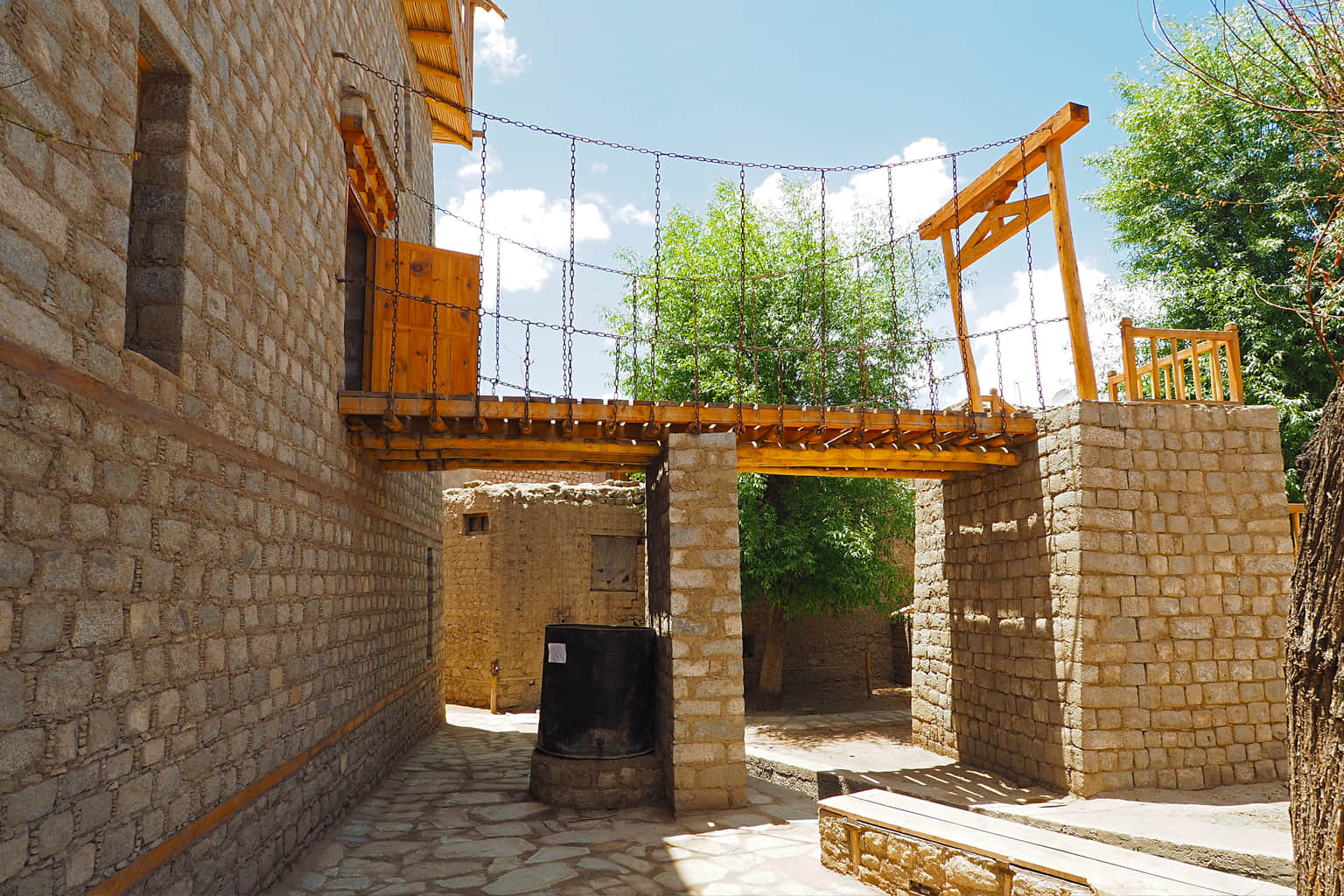
Ladakh
Central Asian Museum, Ladakh
About Central Asian Museum
Day Wise Timings
Central Asian Museum opening hours through the week.
Open 7 days a week
Paid entry
Monday10:00 – 19:00
Tuesday10:00 – 19:00
Wednesday10:00 – 19:00
Thursday10:00 – 19:00
Friday10:00 – 19:00
Saturday10:00 – 19:00
Sunday10:00 – 19:00
Hours are seasonal — confirm your date at checkout. Special events may extend closing time.
Central Asian Museum Highlights
How To Reach Central Asian Museum

Best Time To Visit Central Asian Museum


Why Choose Thrillophilia?
3 Million+
Happy customers from 70+ countries all around.
4.8/5
Rated across Trip Advisor and Google reviews.
Curated With Love
Special curated Indian itineraries built for Indians.
24/7 Assistance
Always there to help before and during trips.

Popular Related Attractions
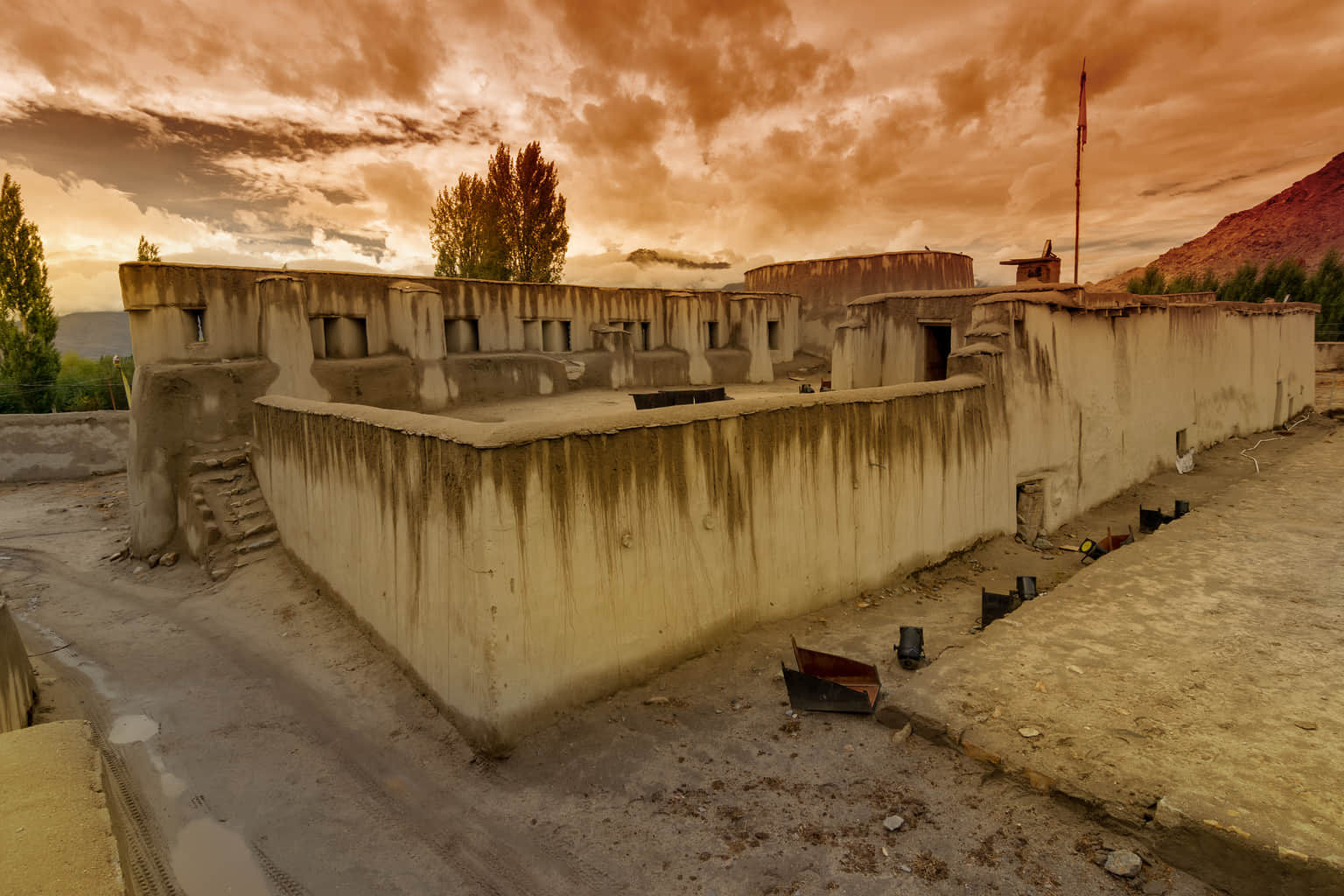
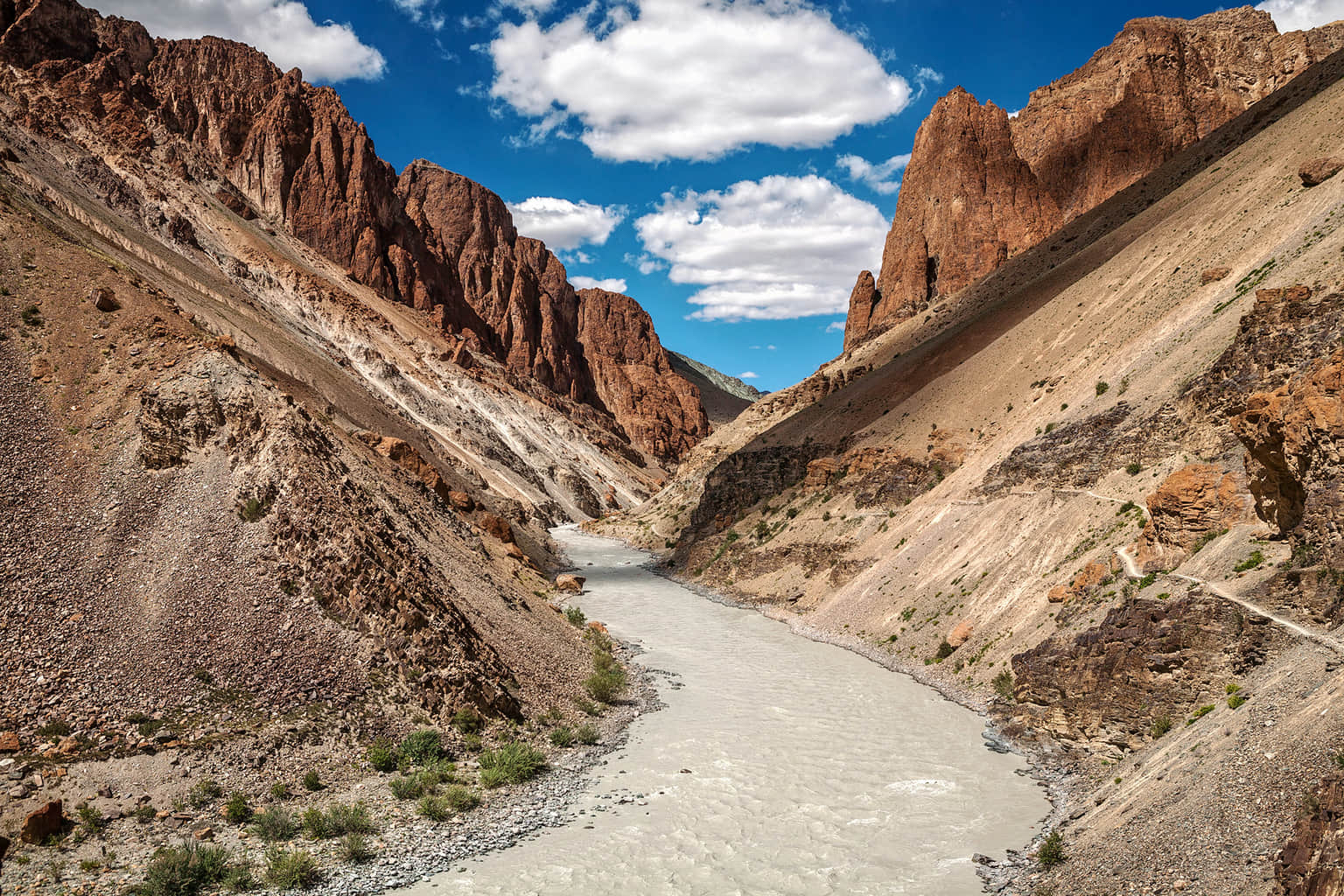
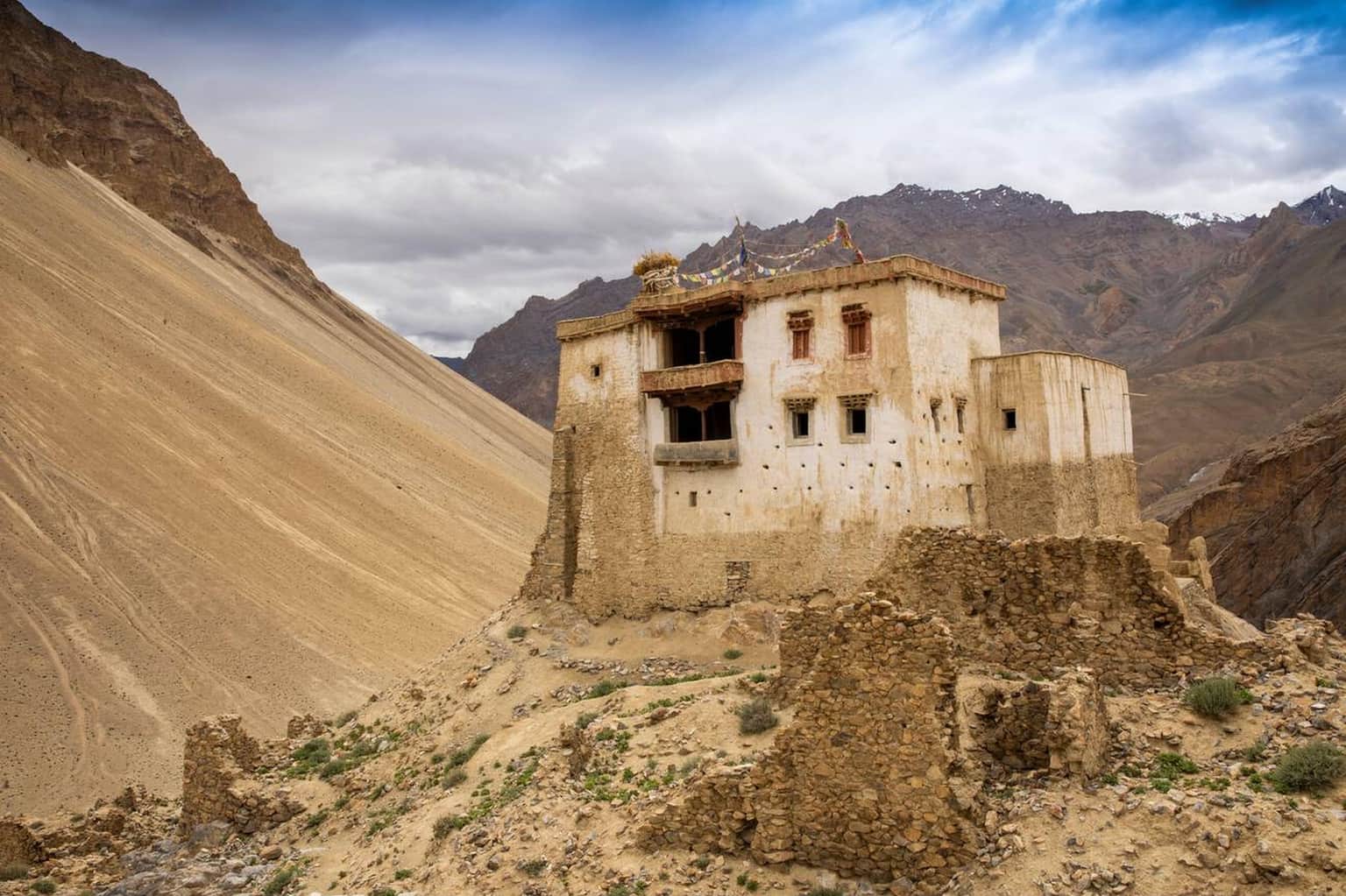
Popular Related destinations


More Things to Do in Ladakh
Quick links to everything else worth a slot on a longer stay.