Changthang Wildlife Sanctuary, Ladakh
About Changthang Wildlife Sanctuary
Day Wise Timings
Changthang Wildlife Sanctuary opening hours through the week.
Changthang Wildlife Sanctuary Highlights
How To Reach Changthang Wildlife Sanctuary

Best Time To Visit Changthang Wildlife Sanctuary

Changthang Wildlife Sanctuary Essential Information



Why Choose Thrillophilia?
3 Million+
Happy customers from 70+ countries all around.
4.8/5
Rated across Trip Advisor and Google reviews.
Curated With Love
Special curated Indian itineraries built for Indians.
24/7 Assistance
Always there to help before and during trips.

Point of Interest for Changthang Wildlife Sanctuary
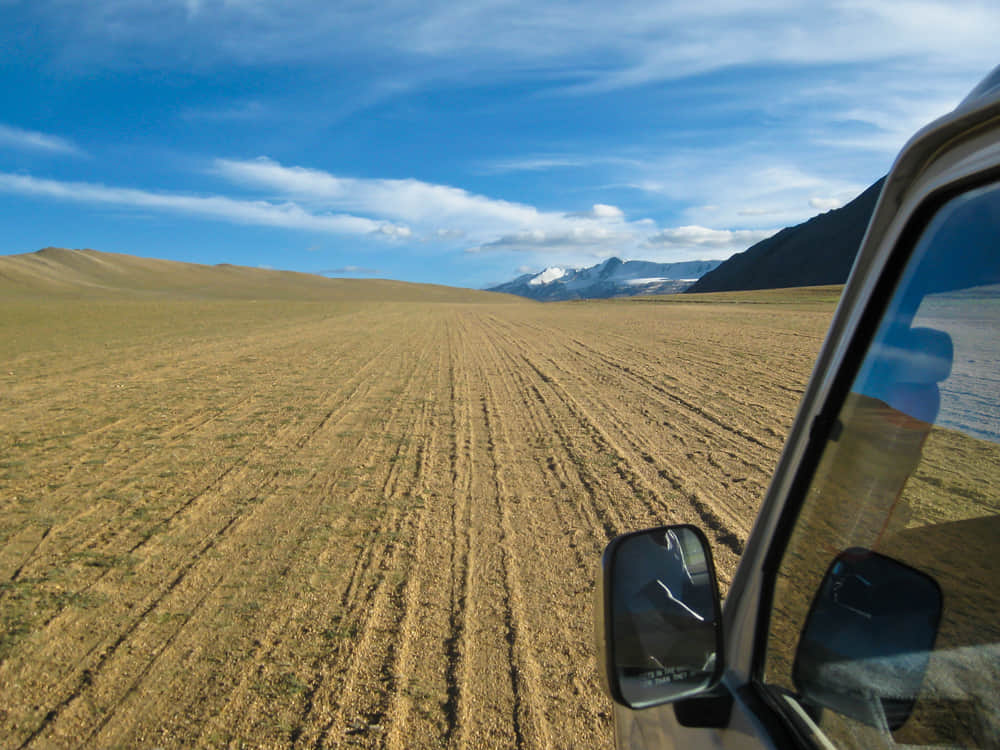
A jeep safari around Changthang:
While trekkers can take full advantage of Changthang’s scenic trails, those that want to surpass the hassle of walking can easily avail a jeep safari around the Wildlife Sanctuary. The safaris, headed by expert tour guides, takes one through the best spots across the sanctuary, focusing on the three lakes and the village of Korzok.
Click Here to Book: Leh Ladakh Tour Package From Kolkata
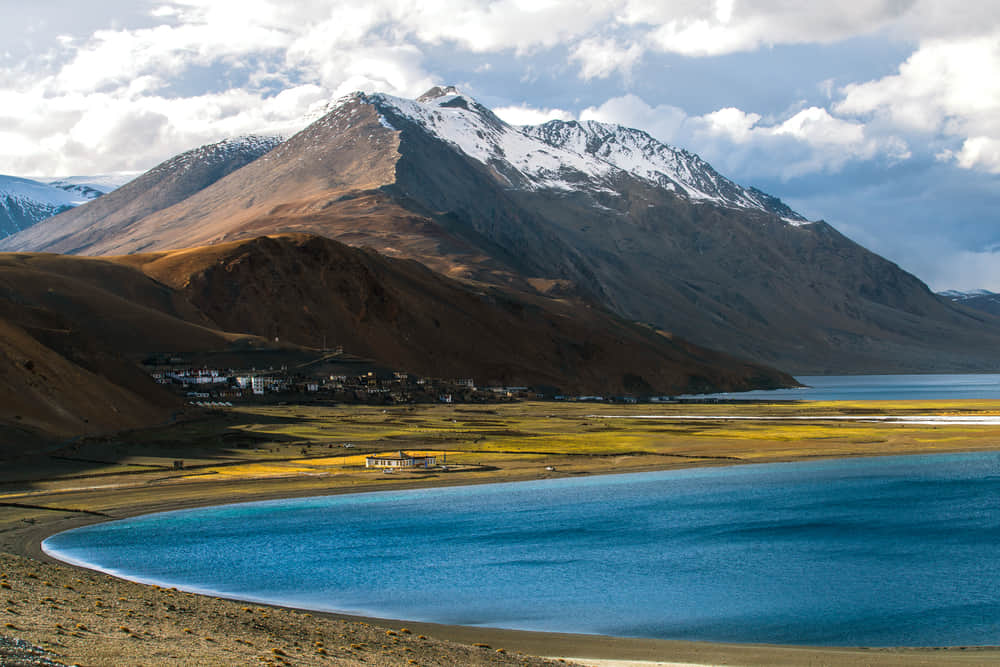
Sightseeing around the Changthang Lakes:
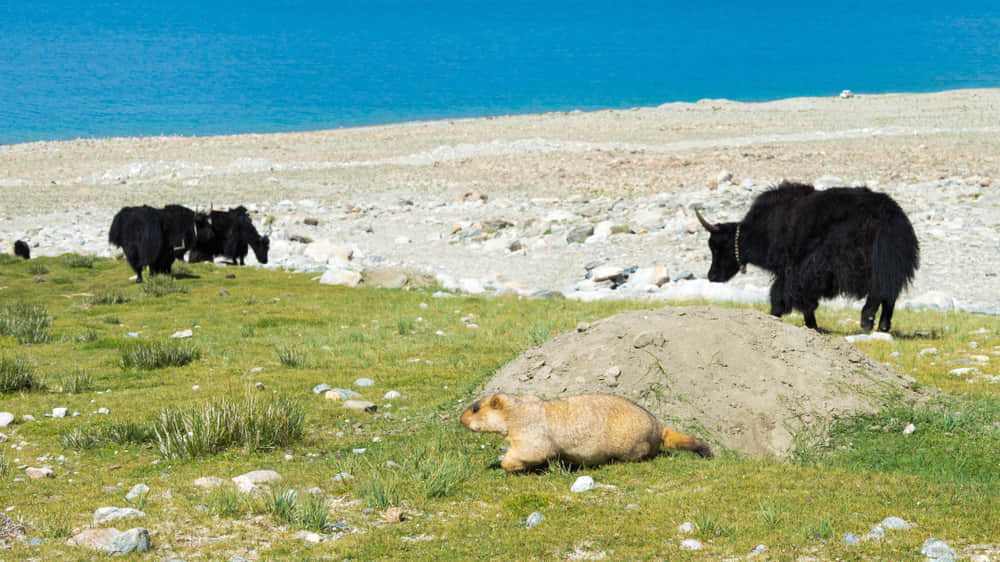
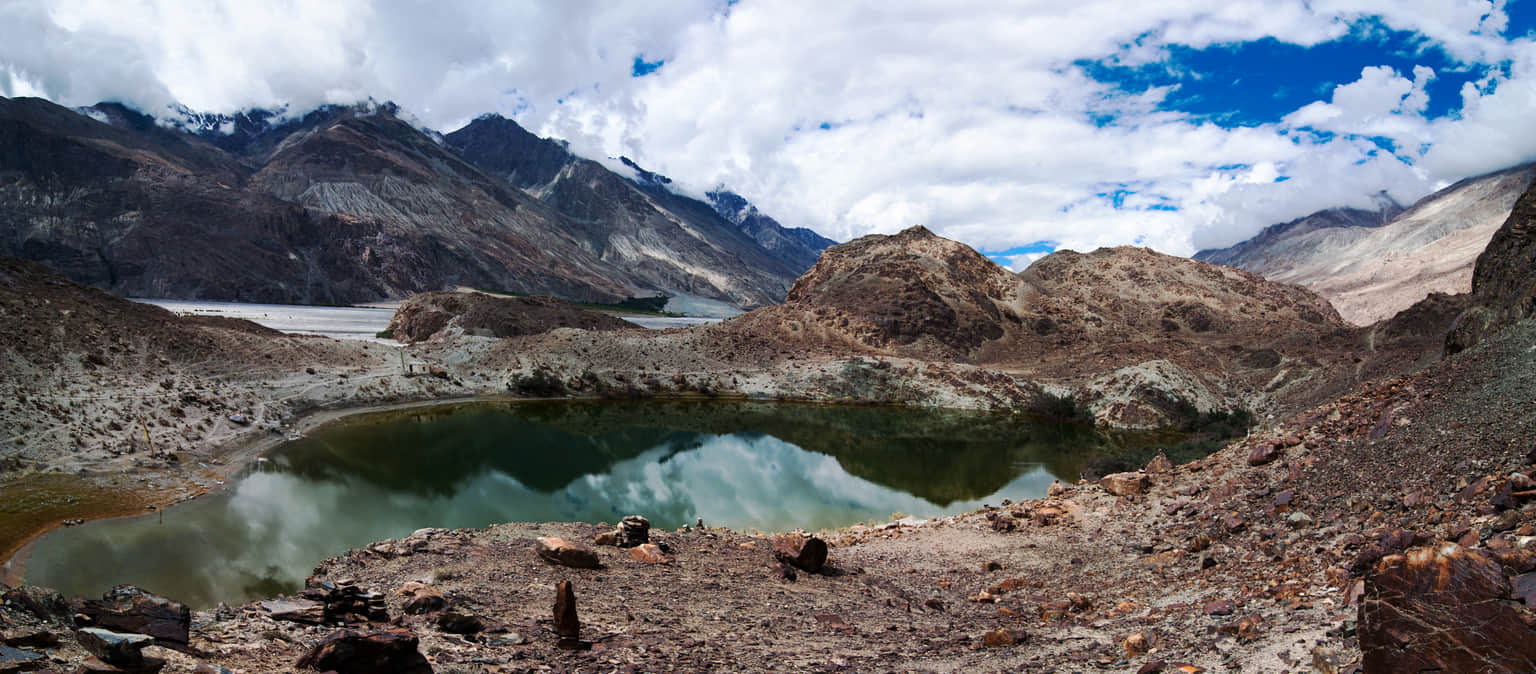
Changthang is home to three of the most special lakes in the world- the Tso Moriri, Pangong Tso, and Tso Kar. One of the best ways to spend your time here is to go on a tour of the three lakes where you can also spot exotic animals. The lakes are renowned for their beauty and their tranquil charm, and act as magnets to attract a large number of birds along with small wildlife.
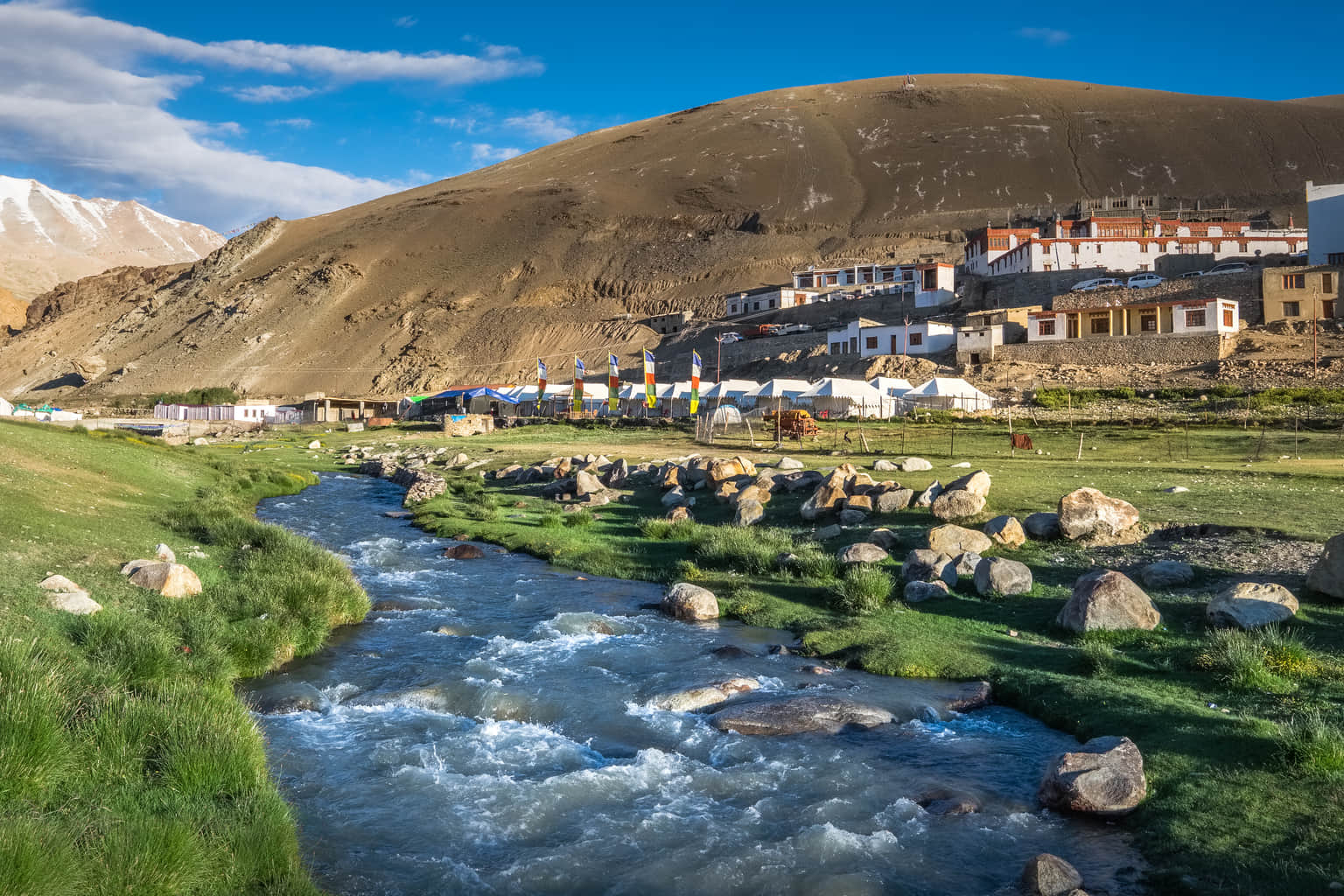
Camping:
For those desiring an overnight repose, camping can be one of the most interesting things to do inside the Wildlife Sanctuary. The sanctuary has a number of standard and luxury camping lodges within its premises. Alternatively, there are designated camping spots where one can pitch their own tents as well.
Planning a Ladakh Bike Trip, Checkout & Book: Leh Ladakh Bike Trip Packages
Changthang Wildlife Sanctuary FAQs
Popular Related Attractions
Popular Related destinations
More Things to Do in Ladakh
Quick links to everything else worth a slot on a longer stay.